
The role of nature in sustainable design
Imagine a design approach that fosters productivity, resilience, and well-being. As we prioritize work-life balance in the digital age, integrating natural elements into indoor spaces can have transformative effects. The biophilia effect in design offers a path to not only improve aesthetics but also create workplaces that support health and wellness through a deep connection to nature.
Understanding the biophilia effect in design
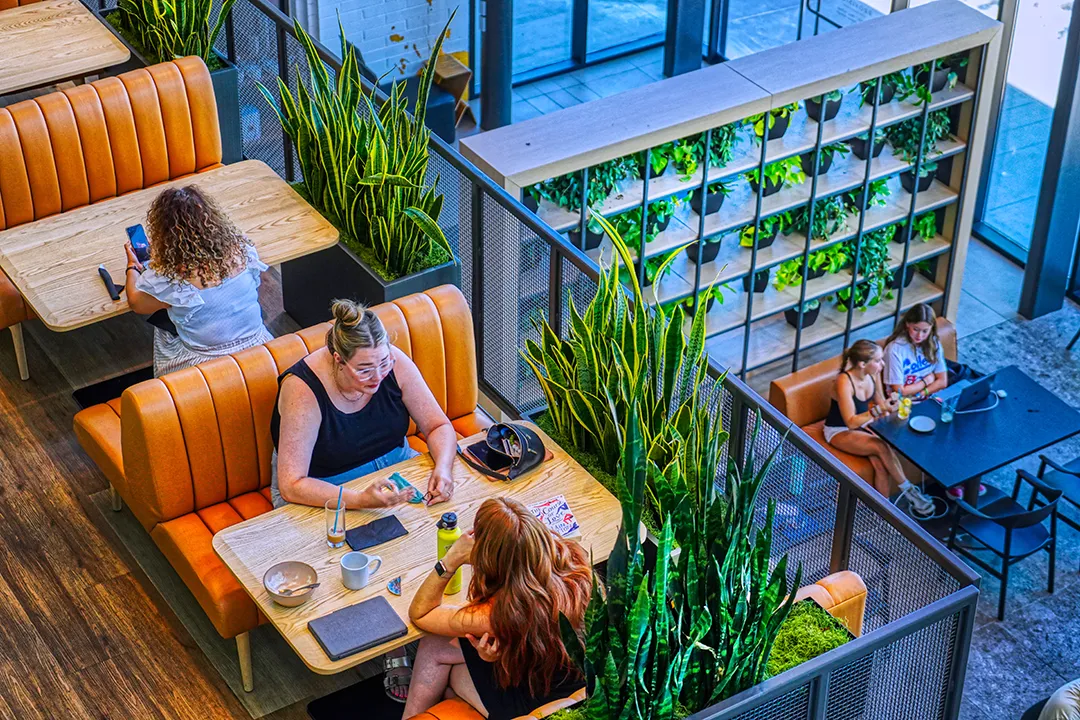
The biophilia effect in design centers on using nature-inspired elements—plants, natural light, and organic materials—to evoke feelings of calm and reduce stress in indoor environments. Grounded in the concept of “biophilia” (meaning “love of life”), this approach taps into our innate attraction to nature. Studies show that environments with greenery and natural features can reduce stress and improve focus, making biophilic design an essential strategy for modern workplaces.
Why is nature so influential?
Think back to a time you felt connected to nature. Picture yourself walking through a lush forest or along a sandy beach as waves lap at your feet. Such moments bring peace and clarity, a response supported by research from Peter Aspinall and colleagues at Heriot-Watt University. Their study showed that people experience lower frustration and higher relaxation when moving into green spaces. This research underscores why nature-inspired design is so powerful in settings where focus, calm, and creativity are key.
The team at Plant Solutions integrates the biophilia effect in design through installations like customizable living walls, MossWallArt™, and indoor plant arrangements. By embedding natural elements, Plant Solutions enhances spaces with greenery that promotes mental clarity, emotional well-being, and a deep-rooted sense of connection.
Transform your workplace with the biophilia effect
Explore how biophilic design can boost well-being and productivity in your office.
How biophilia enhances workplace design
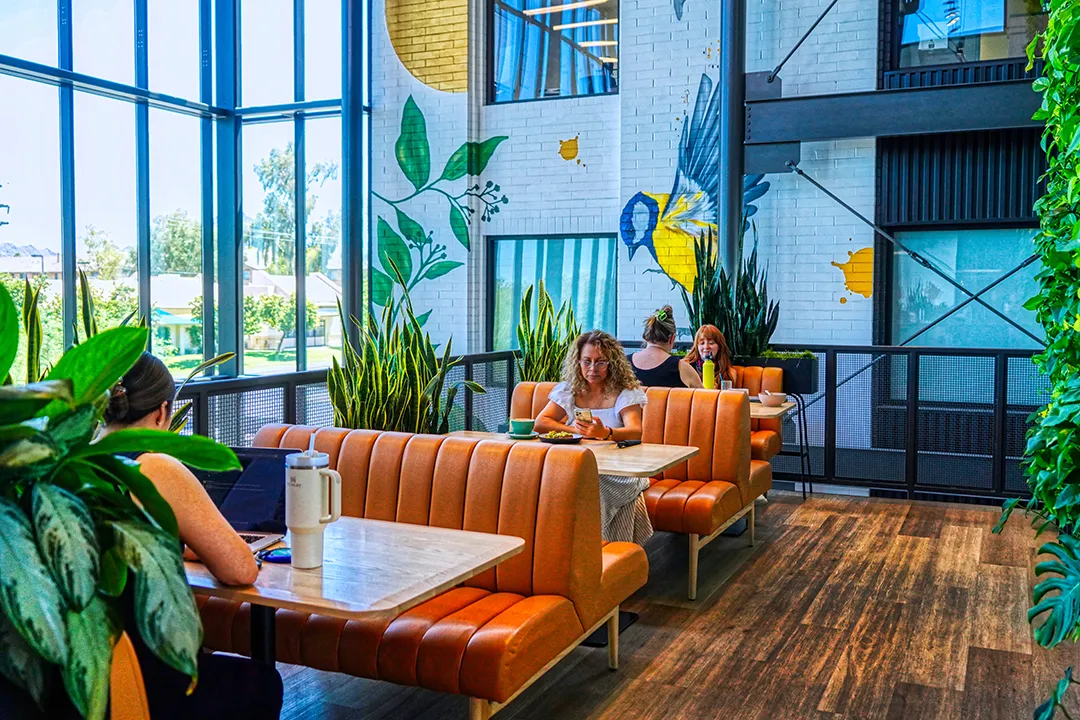
Incorporating the biophilia effect in design does more than beautify spaces; it supports employee well-being, productivity, and long-term satisfaction. Dr. Karen Zazzera, a Wellness Coach and Doctor of Behavioral Health, suggests combining biophilic design with wellness programs to optimize workplace health. “When nature-inspired design is combined with wellness coaching, employees experience holistic benefits that improve the entire work culture,” Zazzera explains.
Adding plants and nature-inspired decor promotes psychological relaxation, reduces stress, and enhances mood—results that positively influence work performance and job satisfaction.
Why the biophilia effect in design drives productivity
The benefits of biophilic design go beyond wellness; they also lead to measurable productivity gains. Studies reveal that employees surrounded by nature-inspired designs are often more engaged, focused, and satisfied with their work environments. These effects contribute to a thriving culture, boosting retention and encouraging employees to feel invested in their roles.
“When organizations prioritize the biophilia effect in design, they show employees that well-being matters,” says Zazzera. The effects of nature-inspired design are contagious, cultivating a positive energy that enhances employee morale and strengthens the organization.
Embracing nature as a design principle
Incorporating the biophilia effect in design brings a renewed sense of purpose and balance to workspaces. As employees experience the benefits of nature’s presence, the connection to well-being and productivity becomes clear. The biophilia effect in design fosters healthier environments, helping organizations achieve their wellness goals while inspiring positive, lasting changes in workplace culture.
Let’s talk biophilia!
Ready to enhance your office environment? Schedule a consultation to learn how biophilic design can elevate your space.