
Most people see the finished result of a professional plant installation — the towering lobby trees, the sweeping green wall behind a reception desk, the carefully arranged tropical plants that bring warmth and comfort to sterile spaces. What they don’t see is everything that has to happen before a single plant is delivered.
Many believe that professional plant installation is simply a delivery and placement service. In reality, it’s a coordinated process that begins weeks or months before installation day and involves environmental assessment, species selection, contractor coordination, logistical planning, and hands-on horticultural expertise. Here’s what that process actually looks like.
How professional plant installation begins
Before any plant installation can be designed, the space has to be studied. A professional interiorscape team evaluates light levels at different times of day, HVAC placement and airflow patterns, foot traffic routes, ceiling heights, flooring type, and the aesthetic goals of the client. These factors determine which plants will survive and thrive in the space — and which ones, however beautiful, would fail within months.
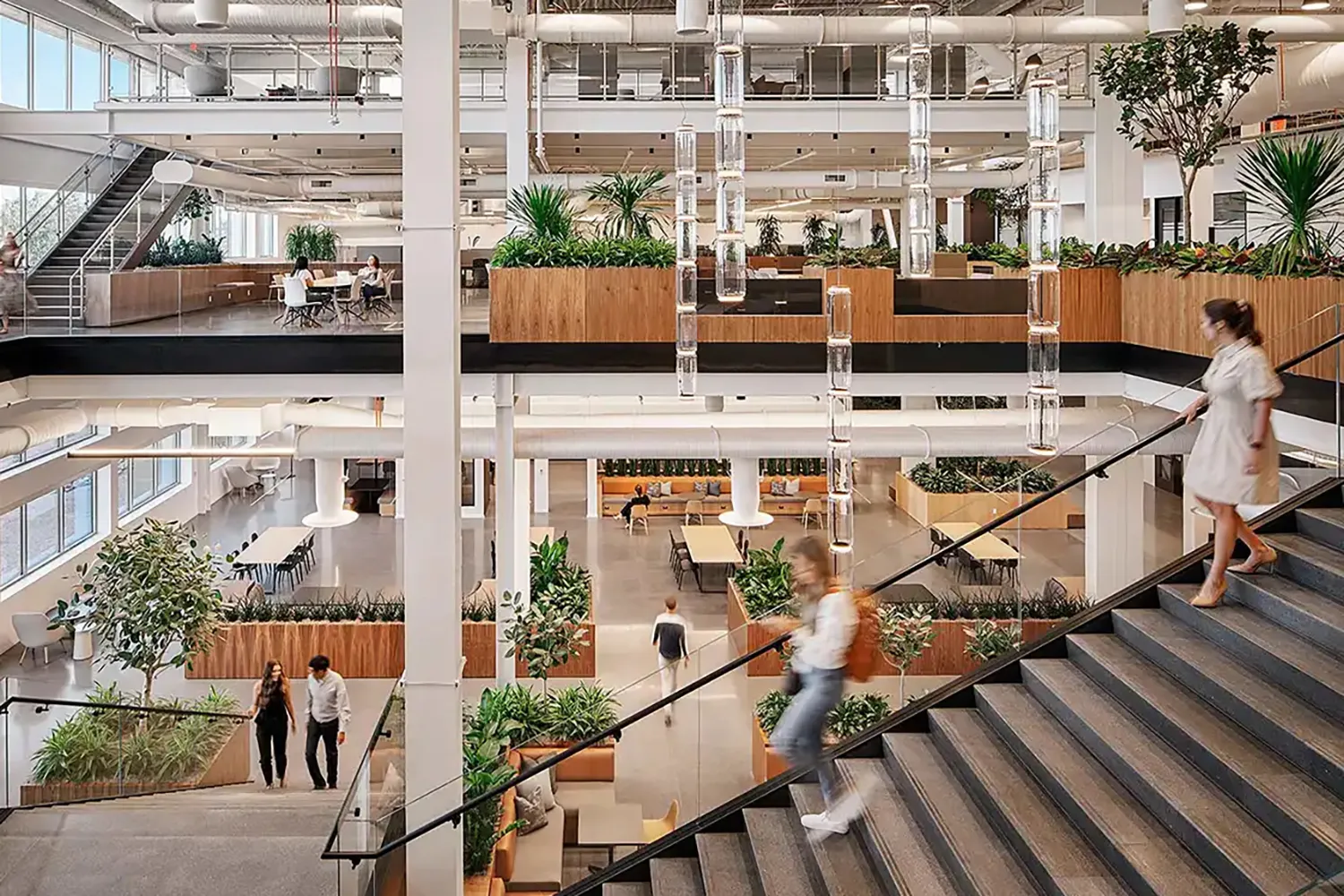
This phase also involves conversations with architects, interior designers, and millwork contractors when the plant installation is part of a larger build-out. On the Insight project, Plant Solutions partnered with architectural firm Gensler and worked directly with millwork contractors to ensure that custom-built planters met precise dimensions for the plants selected. Early collaboration prevented structural problems that would have been expensive to fix after the fact — and resulted in planters that were both architecturally seamless and horticulturally sound.
Choosing the right plants for your commercial space
Choosing plants for a commercial installation goes well beyond picking species that look good. Each plant must be matched to its specific micro-environment within the space. A plant that thrives near a south-facing window may decline in an interior corridor three feet away. Species that perform well in Phoenix’s air-conditioned summer conditions may need different care in winter when light angles shift and HVAC patterns change.
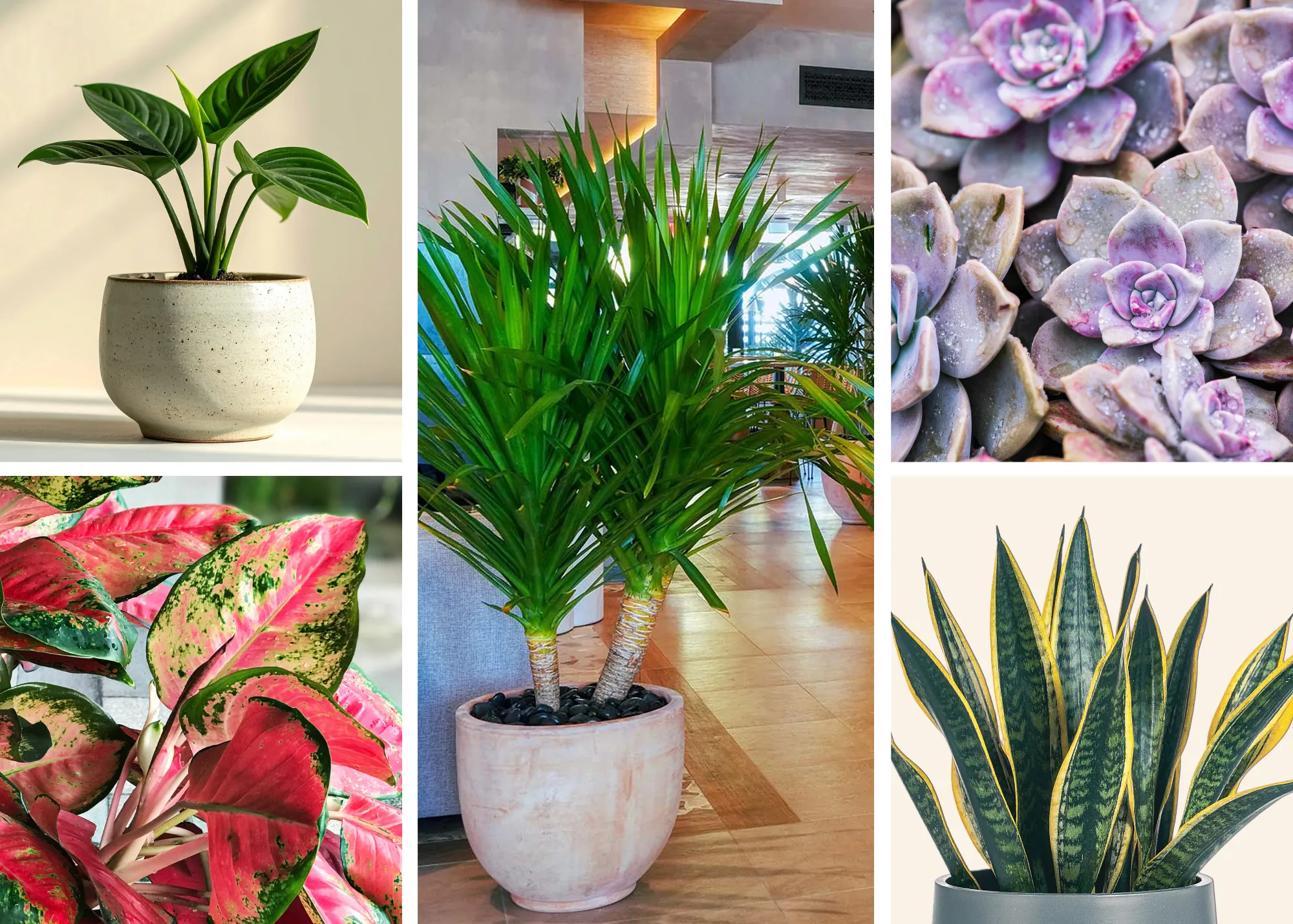
This is where the expertise of a trained horticulturalist becomes essential to the plant installation process. The species selection phase also accounts for the long-term maintenance reality of the space — a busy healthcare clinic, for example, needs plants that tolerate bright overhead lighting, and don’t shed debris onto clean floors. For Tia Women’s Health Clinic, Plant Solutions selected tropical species that created warmth and calm while remaining practical for a clinical environment.
The logistics of a large-scale plant installation
For smaller plant installations — a reception area, a single conference room, a lobby grouping — the physical work is straightforward. Plants arrive, horticulturalists position them according to the design plan, containers are finalized, and the space comes to life.
Large-scale plant installations are a different matter entirely. On The Link project, Plant Solutions used a 45-foot scissor lift to install two-story living plant walls that extended over a second-floor mezzanine — a physical challenge that required detailed pre-installation coordination with the building’s construction team. The 130-plant installation needed to be sequenced carefully to avoid damaging finished surfaces, obstructing construction access, or compromising the structural integrity of the wall systems.
Even on projects without scissor lifts, the physical demands of a professional plant installation are significant. Specimen trees, large container plants, and custom planter systems can weigh hundreds of pounds. Plant Solutions’ horticulturalists handle the physical installation directly — positioning plants, ensuring proper drainage, and verifying that every element is correctly established before the project is considered complete.
Sharing plant designs with architects and contractors
The most successful plant installations happen when the interiorscape team is brought in early — ideally during the design phase of a build-out, not after construction is finished. Early involvement allows the plant installation to be integrated into the architecture rather than added on top of it.
This kind of collaboration is reflected across Plant Solutions’ award-winning project portfolio. The Insight headquarters installation, which earned a Platinum Award at the Tropical Plants Expo, was designed in close coordination with Gensler to support the client’s Gold LEED certification goals. This particular plant installation was a functional component of the building’s wellness and sustainability strategy, involving 980 plants across an indoor park-like environment designed to help attract and retain top talent.
Plant Solutions regularly partners with architects, interior designers, and general contractors across the Phoenix metro area to deliver commercial plant installations that are structurally sound, aesthetically cohesive, and built to perform over the long term. You can read more about the design principles behind this work in our article on plant design basics.

Plant watering and pruning services after installation
A plant installation is the beginning of a living environment, not the end of the project. Plants require ongoing professional care to maintain their health and appearance — and the conditions of a commercial space change over time. HVAC systems get adjusted, seasonal light shifts, and foot traffic patterns evolve.
For clients who want a complete solution, plant rental programs bundle the plant installation itself with ongoing indoor maintenance into a single monthly arrangement. Plants are selected for the space, installed by Plant Solutions’ team, and cared for throughout the lease. If a plant declines, it’s typically replaced at no additional cost.
For clients who choose to own their plants instead of rent them, Plant Solutions offers recurring horticultural service for commercial and high-end residential spaces throughout the Phoenix metro area — ensuring that the investment made on installation day continues to deliver value for years afterward.
To explore what a plant installation could look like for your space, browse our project portfolio or contact Plant Solutions to get started!
Ready to elevate your commercial space with a professional plant installation?