
If you’ve noticed that certain products — from planters to artificial botanicals — have shifted in price over the past year or two, you’re not imagining it. The interior landscaping industry sits at the intersection of several global forces that are actively reshaping costs, lead times, and product availability in 2026. Understanding these forces won’t just help you make smarter purchasing decisions. It may help you plan ahead before a project gets more expensive.
This article is written for business owners, facility managers, architects, and designers who want an honest, informed look at what’s happening in the supply chain — and what it means for their next interior landscaping investment.
Where interior landscaping products actually come from
Most people don’t think about the supply chain behind a beautiful office lobby or a custom plant wall. But the materials that make up a professional interior landscape come from a surprisingly global network.
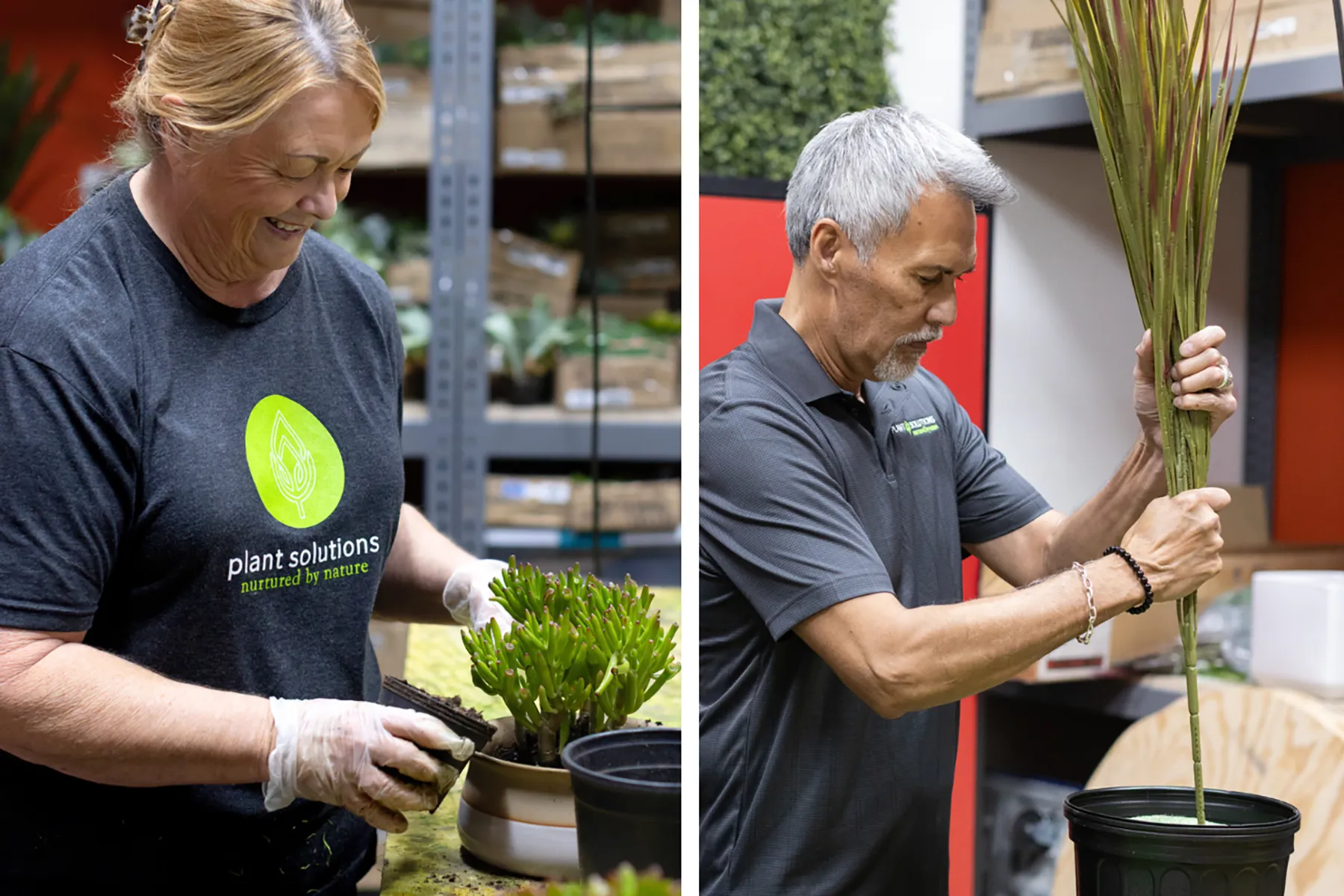
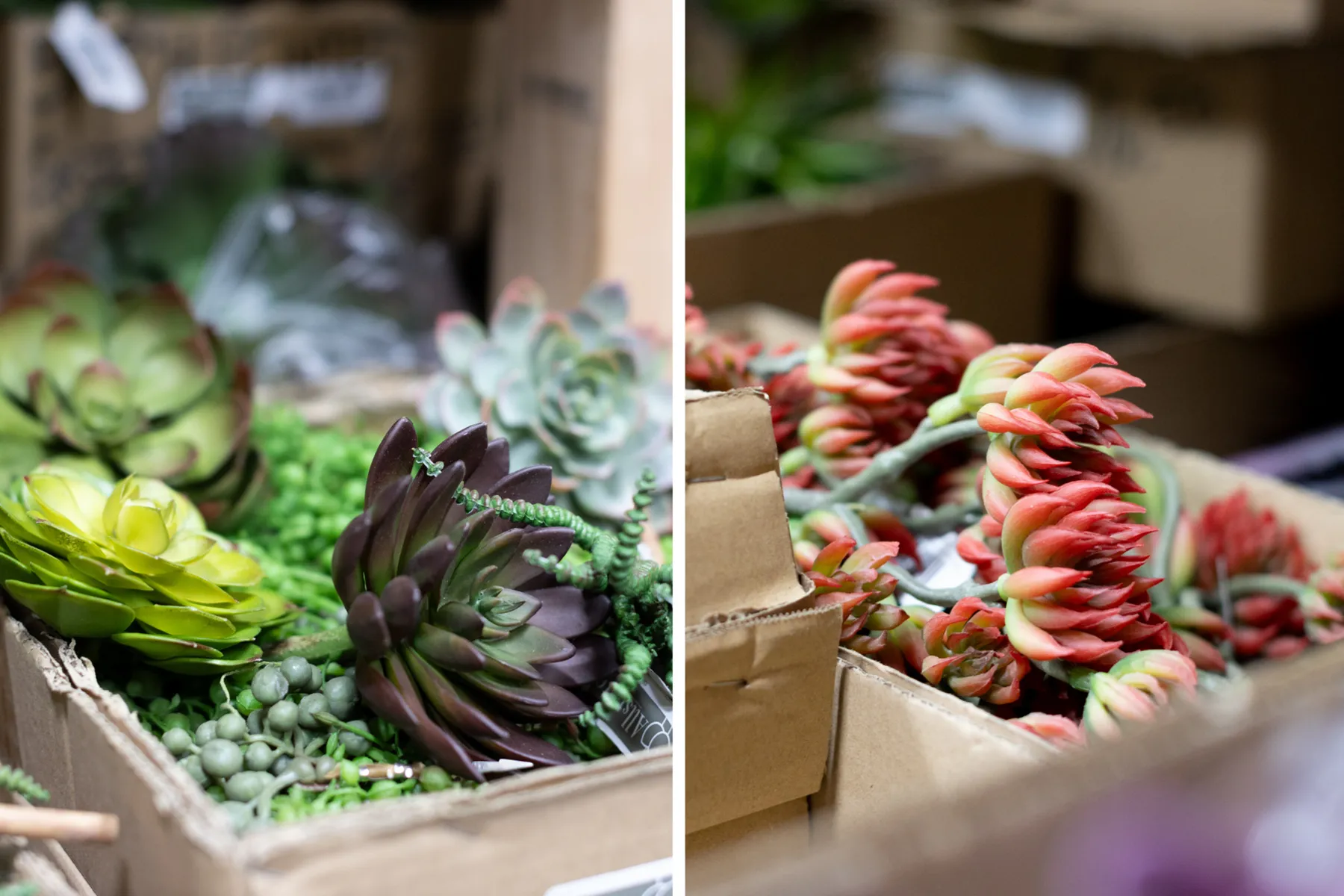
Artificial plants and botanicals are predominantly manufactured in China, which has dominated this production category for decades. The materials — polyethylene, polyester, PVC, wire armatures — are processed and assembled there, then shipped to distributors and design firms in the US.
Decorative planters and containers follow a similar pattern. High-quality ceramic, resin, and fiberglass planters are often sourced from China, Vietnam, and other parts of Southeast Asia, though some premium manufacturers operate domestically or in Mexico.
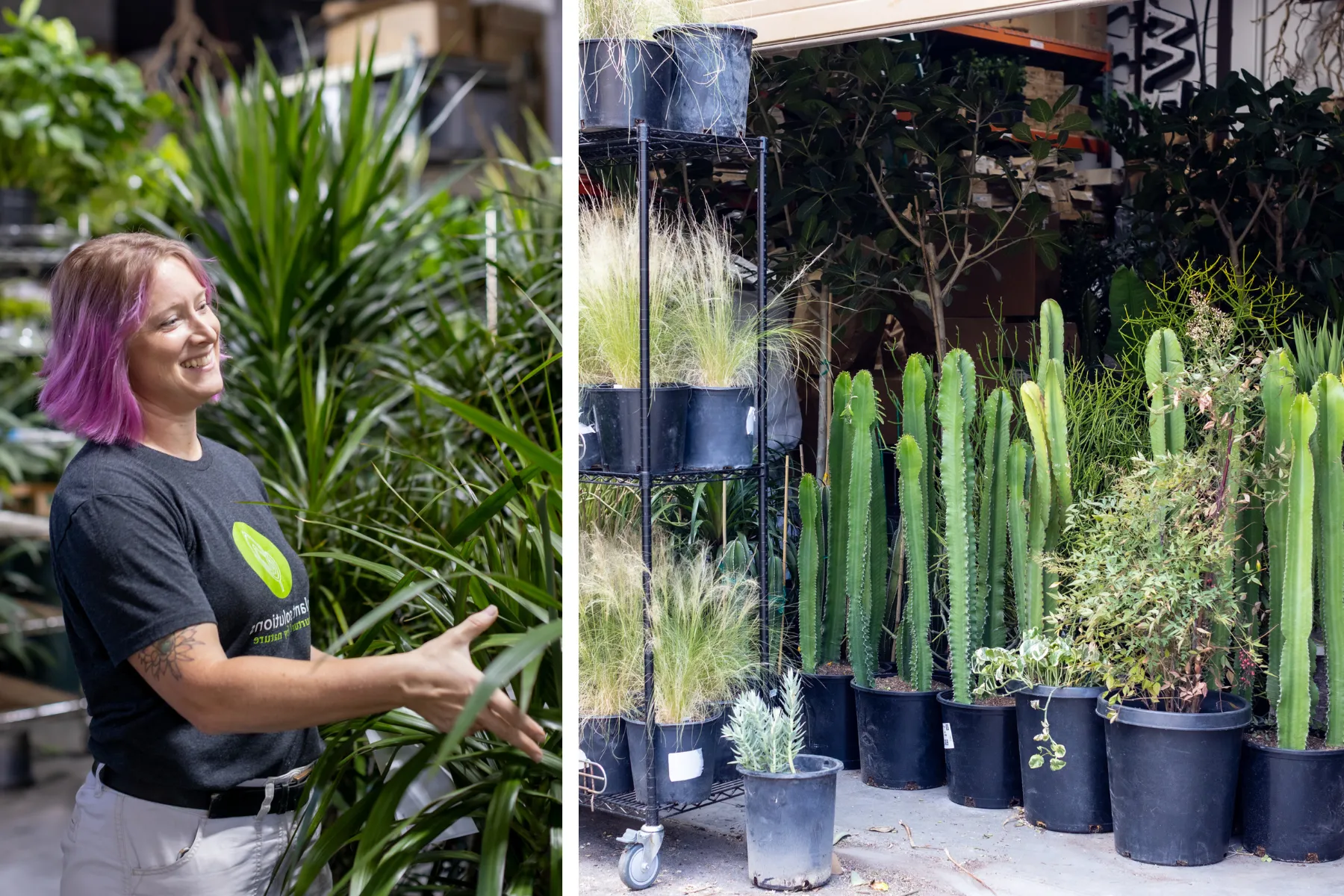
Live tropical plants used in interior landscapes — the philodendrons, dracaenas, pothos, and palms that fill commercial spaces — are largely grown in Florida, which produces an estimated 75 to 80 percent of the nation’s tropical foliage and houseplants, according to the Florida Nursery, Growers and Landscape Association. Some specialty species are imported from Hawaii, the Netherlands, Central America, and other tropical growing regions.
Preserved moss used in moss installations is sustainably harvested in northern Europe and Scandinavia, then processed and distributed internationally.
Each of these supply streams has its own vulnerabilities — and several are under pressure right now.
The tariff situation in plain terms
Since 2025, US trade policy has imposed significant new tariffs on Chinese goods, with effective rates on Chinese imports reaching above 30 percent for much of the past year. While some tariffs have been reduced or paused through a series of trade truces and negotiations — including an agreement extending through November 2026 — the situation remains unsettled. New trade investigations were initiated in March 2026, and additional tariffs under different legal mechanisms are being pursued.
What does this mean practically? The American Society of Landscape Architects noted in 2025 that costs and lead times were increasing for many imported landscape products, with suppliers caught between absorbing cost increases and passing them to buyers. Several major manufacturers went on record stating they would pass tariff-related costs to consumers in 2026 — costs that many absorbed quietly in 2025 while working through pre-tariff inventory.
For businesses planning interior landscaping projects, this means that pricing you saw quoted a year ago may not reflect current market conditions. It also means that lead times for imported products — particularly custom planters and specialty artificial botanicals — may be longer than they were previously.
The Federal Reserve published an analysis in March 2026 noting that tariff costs have been climbing gradually into retail and commercial pricing, and that the full impact may not yet be visible in final consumer prices. In short: more price adjustments are likely to come.
What this means for live plants specifically
Live plant supply chains are somewhat insulated from tariff pressures since most commercial interior plants are domestically grown. However, they face a different set of pressures.
Florida’s dominance in tropical plant production means that weather events, disease outbreaks, or water regulation changes in that state can ripple through the entire US interior landscaping market. Ornamental plant supply chains are also sensitive to fuel costs, which affect both greenhouse operations and shipping.
The global indoor plant market is projected to grow at nearly 4 to 5 percent annually through the early 2030s, according to multiple market research firms. That sustained demand, combined with supply-side constraints, tends to support stable or rising prices for quality commercial-grade plants over time.
For Arizona businesses, there’s a silver lining: the shift toward plant rental programs insulates clients from direct exposure to these price fluctuations. When plants are rented rather than purchased outright, the design firm absorbs the sourcing and replacement risk. That’s one underappreciated advantage of long-term plant leasing that doesn’t often come up in the conversation.
Demand for biophilic design continues to grow across commercial sectors, which means supply pressure from both directions — something worth factoring into your planning timeline.
What Arizona businesses can do right now
None of this is cause for alarm — but it is cause for planning. A few practical takeaways:
Lock in projects sooner rather than later. If you’re planning an interior landscaping installation in 2026, initiating the conversation now gives your design team more time to source materials before further price adjustments take effect.
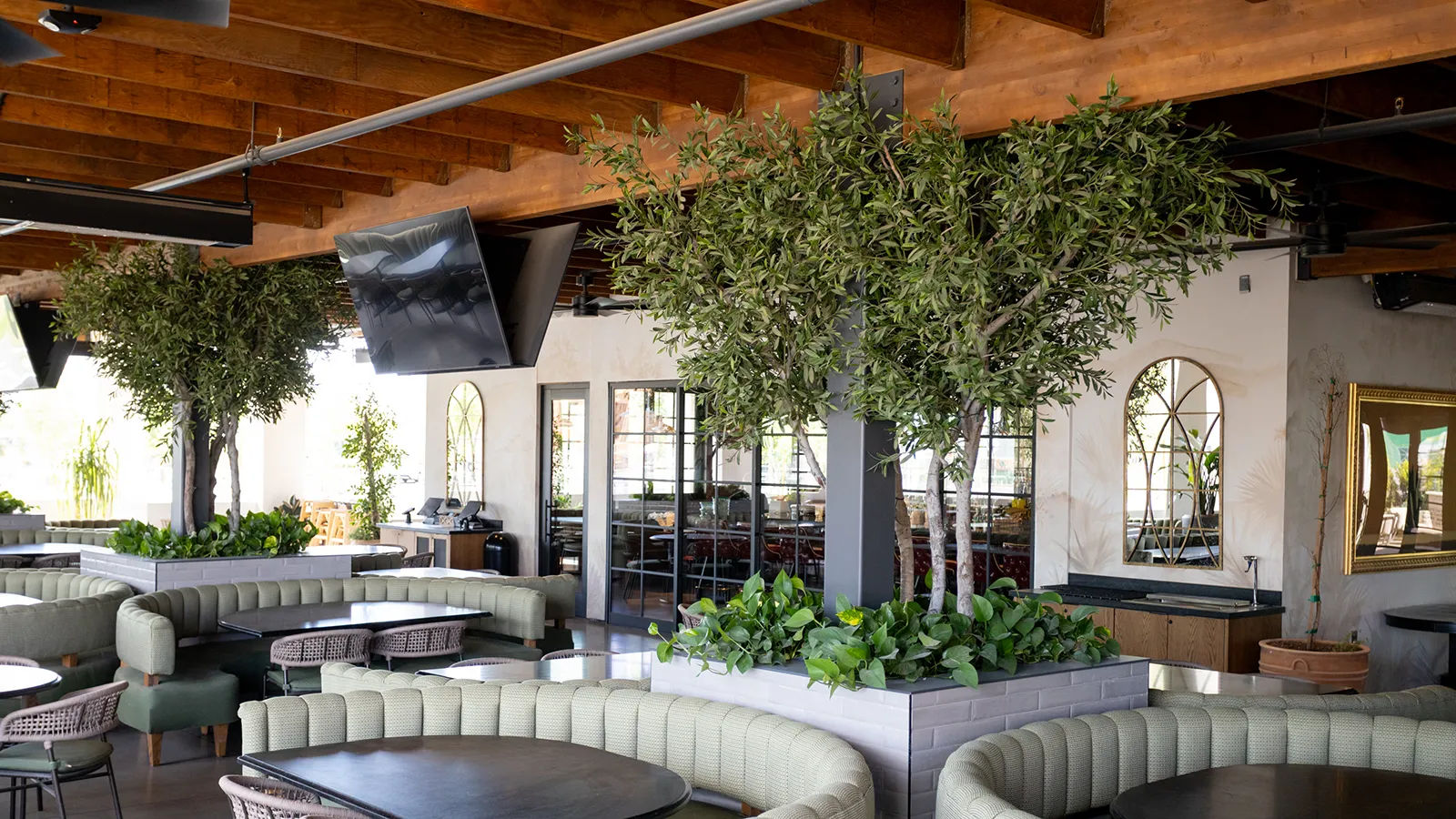
Consider plant rental as a hedge. Plant rental programs transfer material and replacement risk away from the client. In an environment where product costs are rising, fixed monthly rental agreements offer meaningful price predictability.
Prioritize domestically sourced materials where possible. Live plants grown in Florida or regionally, and preserved moss products, are less exposed to China-specific tariff pressures than artificial botanicals and imported planters.
Ask your designer about lead times. Custom planters, specialty artificial pieces, and certain preserved moss products may face longer lead times than they did a year ago. Building that into your project timeline avoids delays.
At Plant Solutions, we monitor these supply chain dynamics closely so our clients don’t have to. Whether you’re planning a new office plant design or refreshing an existing installation, our team can advise on material choices that deliver strong results within current market realities.
Contact Plant Solutions to start the conversation.