
The Christmas tree. The wreath on the door. The string of lights strung along the eaves. For many Americans, these are universal symbols of the holiday season. Around the world, however, Christmas decorating is as culturally varied as the people who celebrate it. Let’s take a look at how seven countries approach Christmas decor in 2026.
Philippines: the world’s longest Christmas season
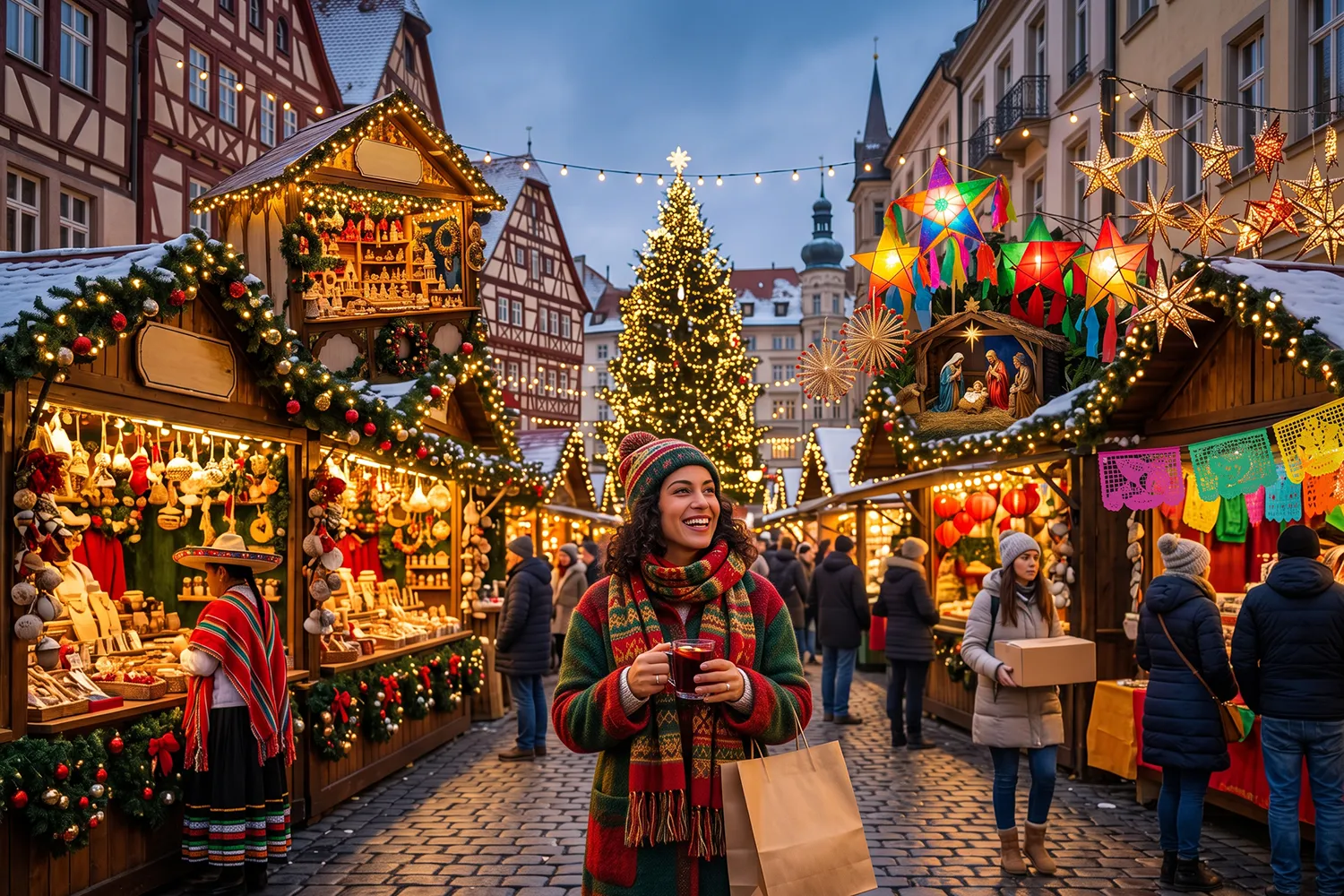
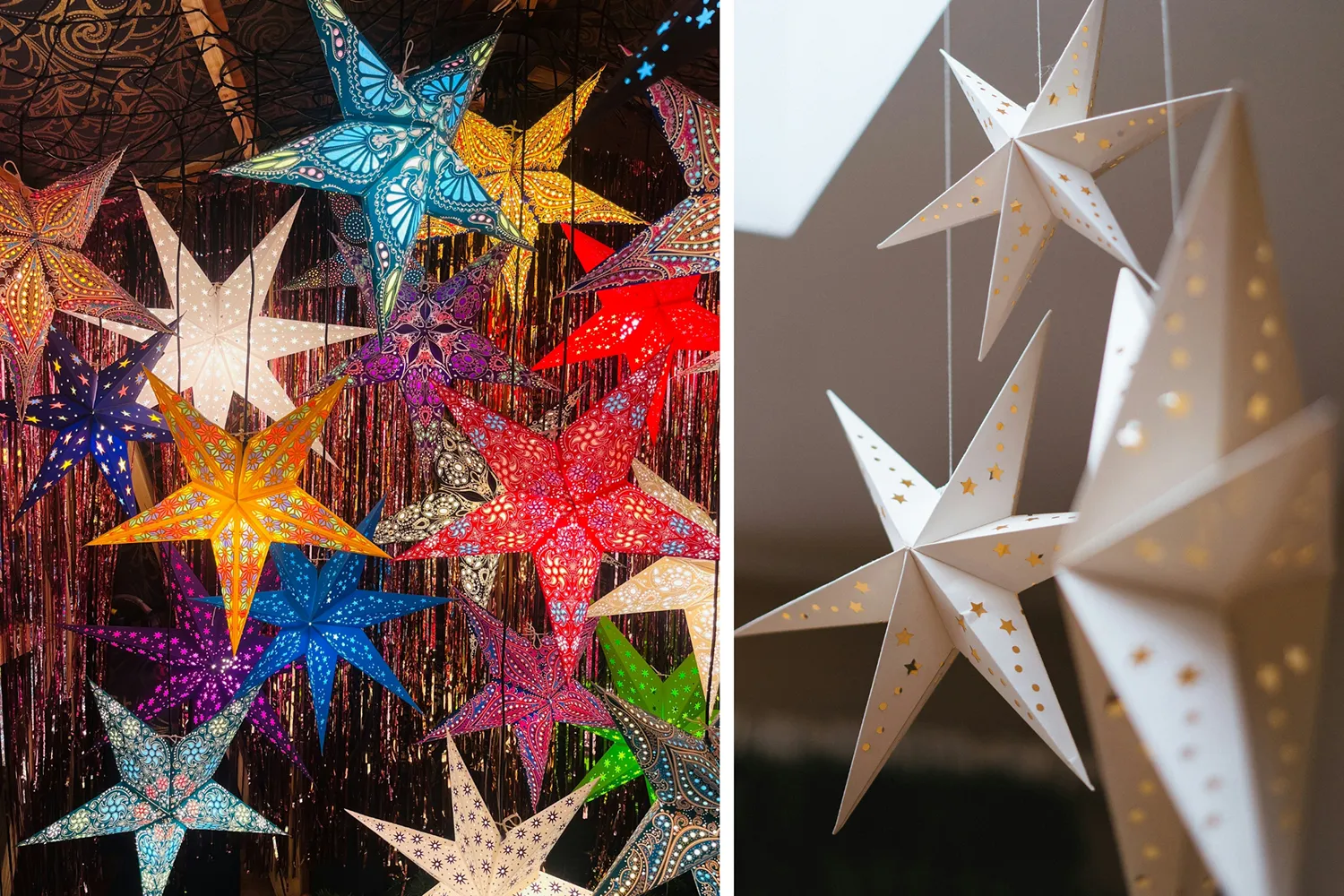
Consider the Philippines, where Christmas decorations go up on September 1st. They hold the record for the world’s longest Christmas season, spanning what locals call the “Ber months” (September, October, November, December) all the way through January 6th, the Feast of the Three Kings. As soon as September arrives, radio stations switch to Christmas carols, malls fill with decorations, and neighborhoods light up with the most iconic symbol of Filipino Christmas: the parol — a star-shaped lantern representing the Star of Bethlehem, traditionally hand-crafted from bamboo and paper (now often crafted from elaborate LED-lit designs that can span several feet across). Filipino Christmas decor is exuberant and communal. Homes compete for the most spectacular display, and decorations stay up well into the new year.
Mexico: where poinsettia began
Most people don’t know that the poinsettia — one of the most ubiquitous Christmas decorations in the United States — is a Mexican plant with a history stretching back to the Aztecs. The Aztecs called it cuetlaxōchitl and used it to produce red dye and as a fever medication. When Spanish missionaries arrived in the 16th century, they renamed it La Flor de Nochebuena — the Christmas Eve Flower — and used it to decorate nativity scenes and church altars during the holiday season.
In Mexico today, poinsettias fill homes, churches, and public spaces throughout December. It wasn’t until the early 1800s that U.S. Ambassador Joel Roberts Poinsett encountered the plant in Taxco and brought it back to the United States — where it was eventually named after him, largely erasing its Mexican origins from the popular imagination. In Mexico, it has never needed a new name.

Germany: where the Christmas tree was born
The decorated Christmas tree has its roots in Central European tradition. The city of Riga, Latvia claims the first recorded decorated public tree in 1510, but it was German and Central European communities that spread the practice throughout the world. The tradition of the Tannenbaum (fir tree) is inseparable from German Christmas decor, typically adorned with handblown glass ornaments, candles or lights, and Lebkuchen (gingerbread) decorations.
Germany’s famous Weihnachtsmärkte — Christmas markets — transform town squares into elaborate seasonal environments from late November through December, with wooden stalls decorated with greenery, lights, and handcrafted ornaments. The Advent wreath, another German export now found worldwide, traditionally incorporates four candles and natural greenery representing the weeks of Advent.

Scandinavia: natural greenery and candlelight
In Norway and Sweden, Christmas decor is anchored in the natural world: evergreen boughs, spruce branches, pine cones, and red berries form the palette of a Scandinavian Christmas. Candles are central: the long, dark Nordic winter makes candlelight not just decorative but essential, and homes are lit with candelabras, Advent stars, and window candles throughout December.
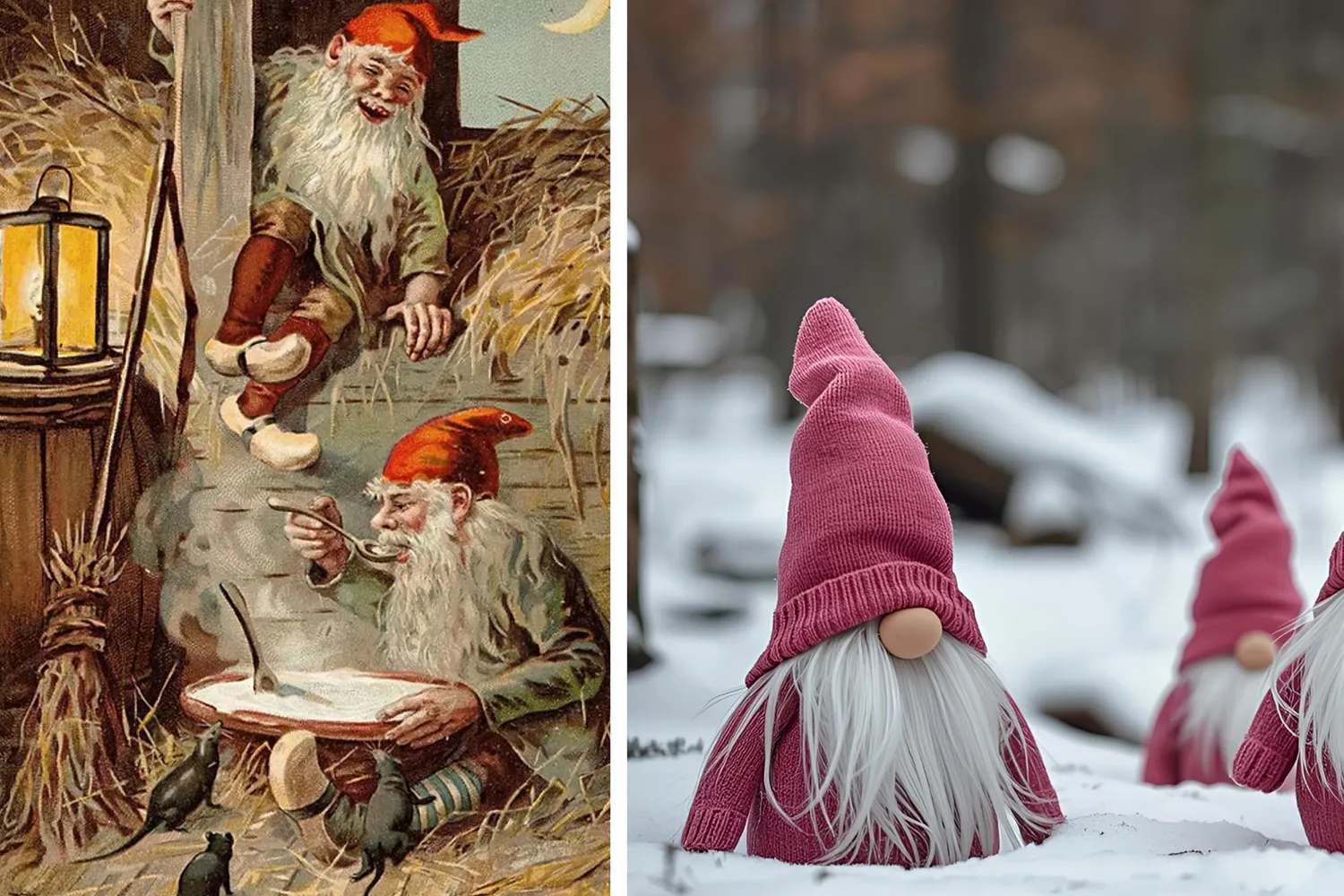
The fjøsnisse is a traditional Norwegian farm spirit with a long grey beard and a red hat who guards the barn and livestock. In Scandinavian folklore, he demands respect and a traditional bowl of Christmas porridge, or else he will play mischievous tricks on the family. Today, he is a central figure in Scandinavian holiday decor, appearing as a popular figurine tucked into shelves, Christmas trees, and windowsills to bring good luck to the home.
Sweden’s St. Lucia celebration on December 13th involves candlelit processions and white-clad figures — a visual tradition that has influenced Nordic holiday aesthetics worldwide. The overall effect is one of warmth drawn deliberately from natural materials: wood, greenery, candlelight, and wool.
Japan: spectacular light and modern minimalism
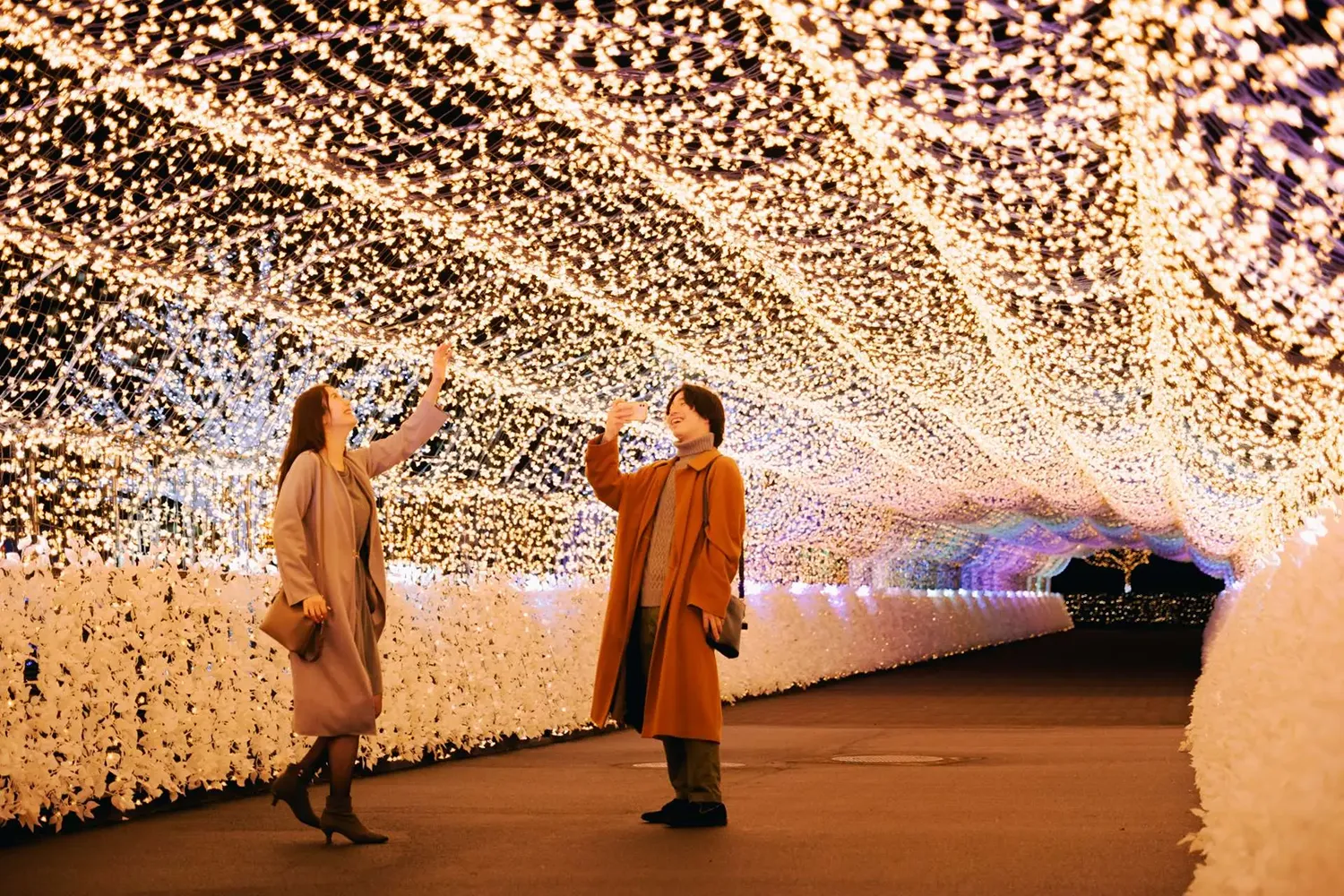
Christmas is not a public holiday in Japan, and the majority of the population is not Christian — yet Japanese cities produce some of the most spectacular Christmas illuminations in the world.
From mid-November through late December, neighborhoods, shopping districts, and national landmarks are transformed with elaborate light installations that draw millions of visitors. The aesthetic is distinctly modern and maximalist in public spaces — and distinctly minimalist in private ones.
Japanese Christmas decor tends toward clean lines, white and silver color palettes, and elegant restraint in the home — a reflection of broader Japanese design sensibility. Christmas trees, when used, are often small and carefully curated. Japan has embraced the holiday as a secular, romantic occasion rather than a religious one, which has shaped its visual language beautifully.
South Africa: summer Christmas in full color
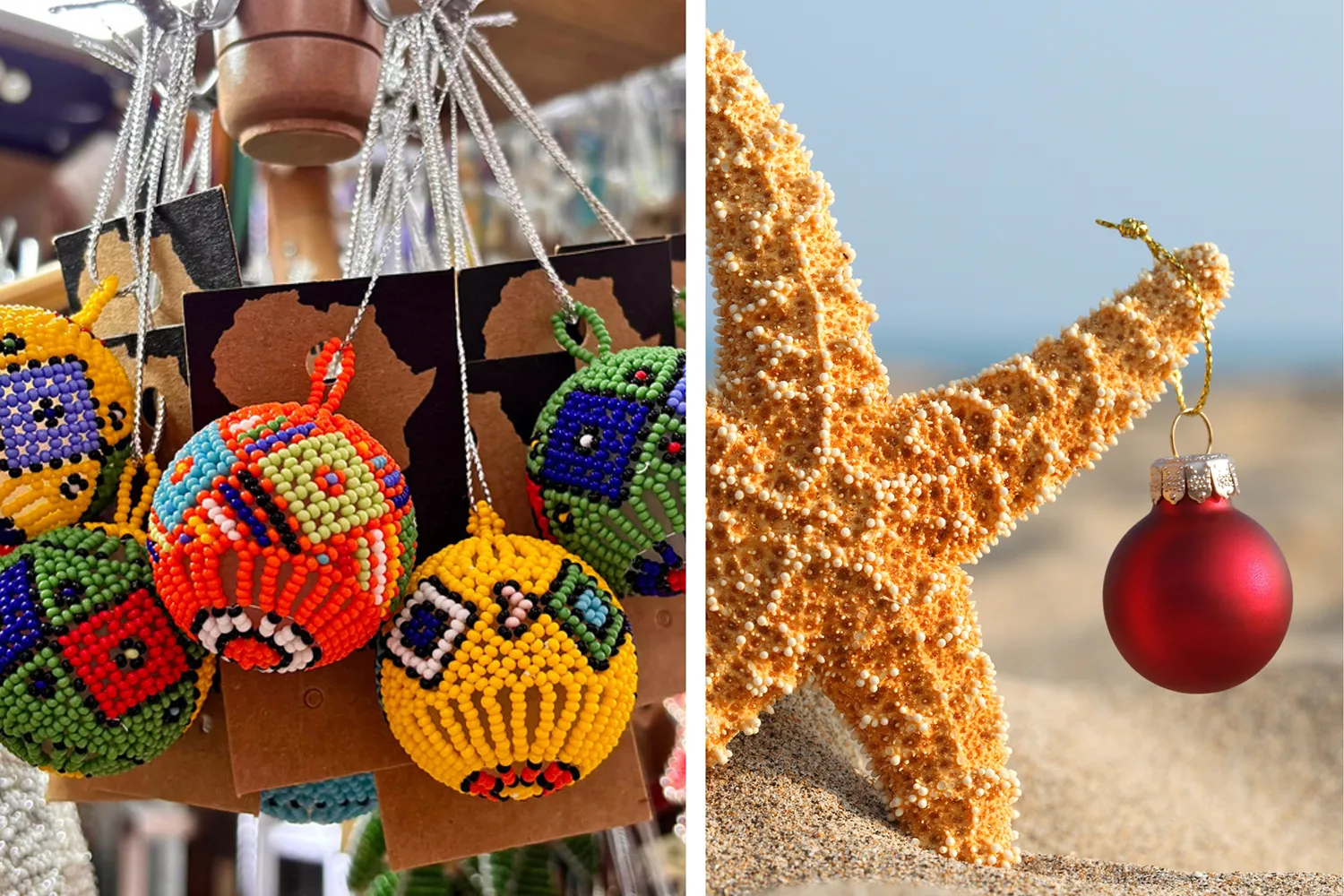
Christmas in South Africa falls in the middle of summer. Christmas decorating draws on the colors of the warm season: vibrant reds, golds, and oranges, often paired with indigenous flowers and natural materials like woven baskets and grasses. Outdoor living is central — Christmas is as likely to be celebrated on a patio or at the beach as inside. The result is a version of Christmas that feels grounded in the actual landscape rather than imported from a colder climate.
Iceland: Christmas books, darkness, and Yule cats
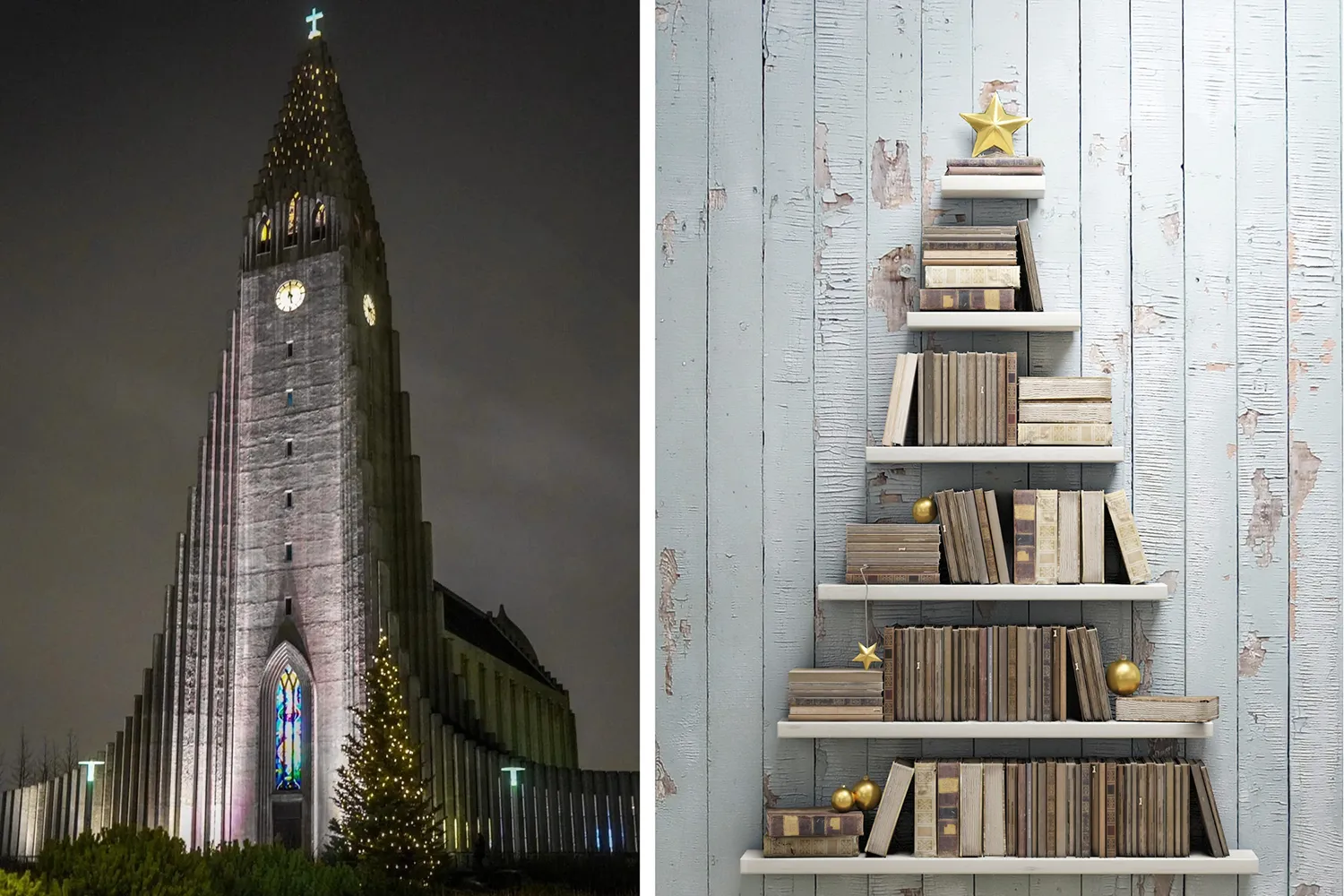
Iceland’s approach to Christmas decor is shaped by something the country has in abundance: darkness. The winter solstice brings just four to five hours of daylight in Reykjavik, with the sun rising around 11:20 AM and setting around 3:30 PM. The entire visual culture of Icelandic Christmas is a response to that darkness — candles, lights, and warm interiors decorated to make the long nights feel intentional rather than oppressive.
Jólabókaflóð — the “Christmas Book Flood” — is an Icelandic tradition in which people give books as gifts on Christmas Eve and spend the evening reading. During this event, bookshelves become a feature of Icelandic holiday interiors. Lurking in Icelandic Christmas folklore is the Yule Cat, a giant feline said to roam the countryside on Christmas Eve, devouring those who hadn’t received any new clothing before the holiday — the legend’s way of ensuring everyone worked hard enough to earn new clothes before Christmas.

Luxury holiday decor in Phoenix
What’s striking about Christmas decor around the world is how much of it is rooted in the natural environment — local plants, seasonal materials, the particular quality of winter light (or summer sun) in a given place.
Great holiday decor is intentional, drawing on materials and symbols that carry significant meaning. That’s the philosophy behind the Holiday Solutions service at Plant Solutions: seasonal installations designed for the specific character of your space.
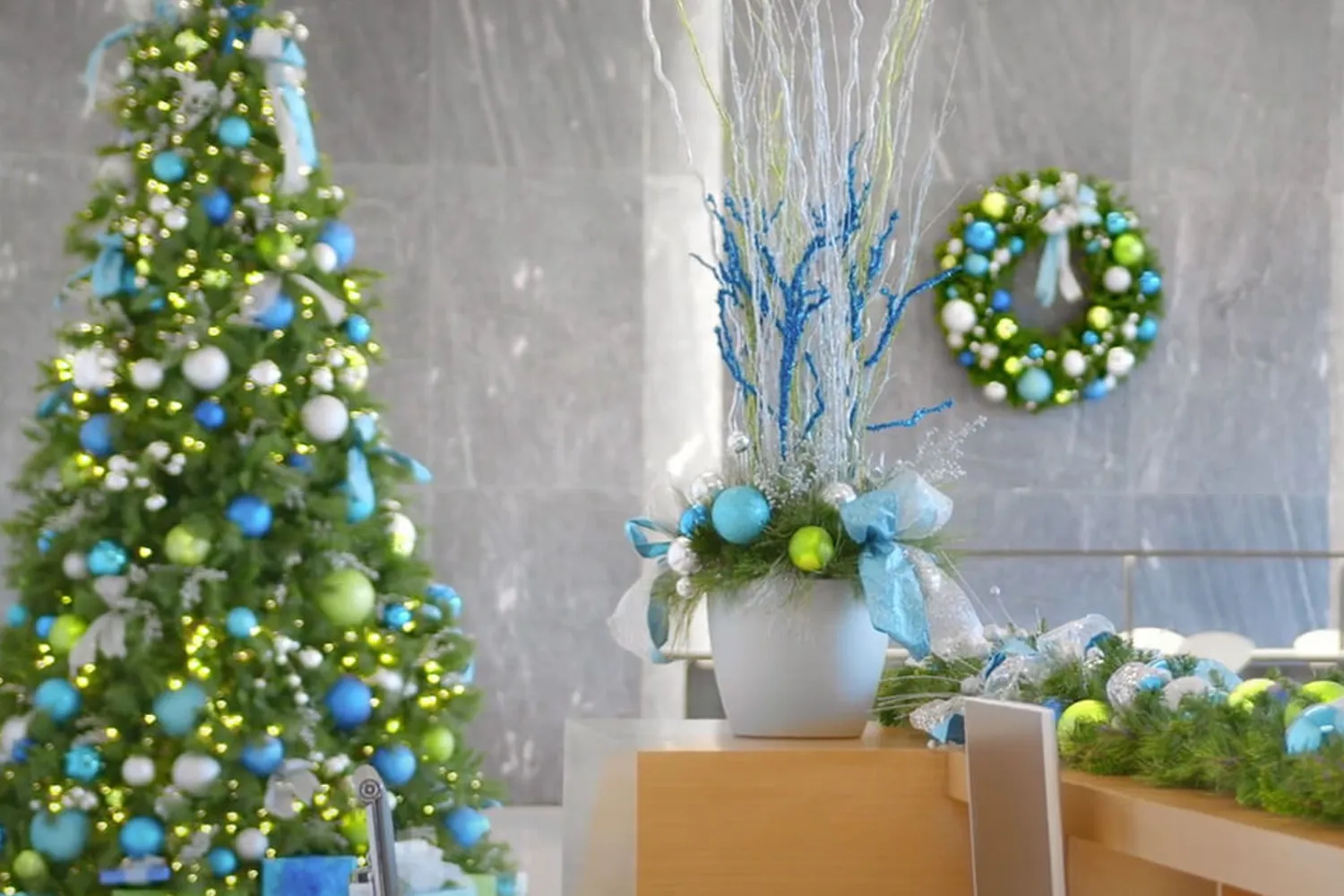
Whether you’re outfitting a corporate lobby, a retail environment, or a hospitality space for the 2026 holiday season, Plant Solutions designs and installs holiday decor across Phoenix and Tempe that reflects the same care and intention you see in the best holiday traditions around the world.
Contact Plant Solutions Today