

Have you ever noticed yourself coughing, your eyes itching, or a wave of nausea setting in after a few hours indoors, only to step outside and instantly feel better? Add in headaches, chills, muscle aches, or brain fog, and you’ve experienced what the World Health Organization first named “sick building syndrome” (SBS) back in 1983. The term describes situations where people experience health and comfort problems directly linked to time spent in a building.
So, how can we make sure that stepping indoors doesn’t come at the cost of our well-being? One strategy lies in the living elements of biophilic design, bringing natural elements back into the spaces where we spend most of our time. In this article, we’ll explore the hidden causes behind SBS, how nature provides the remedy, and why plant leasing is the simplest path to healthier, more resilient spaces.
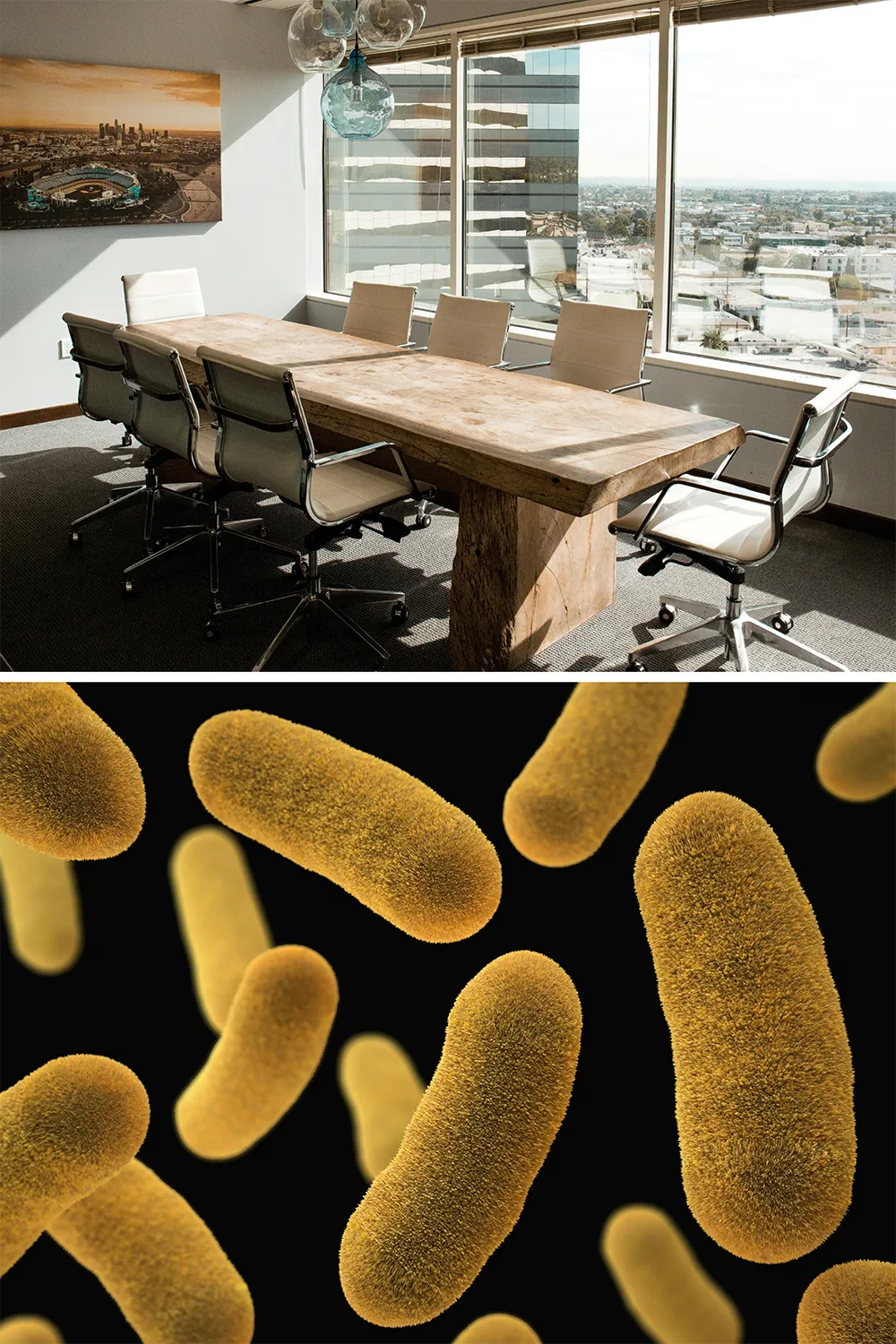
The hidden culprits in our buildings
The National Library of Medicine notes that most cases of Sick Building Syndrome can be traced back to toxins and pollutants that build up indoors, especially when ventilation is poor. There are two main culprits:
- Chemical contaminants: The most common chemical contaminants are volatile organic compounds (VOCs). These are invisible fumes released by everyday materials: adhesives, carpeting, manufactured wood, upholstery, cleaning supplies, pesticides, even synthetic fragrances in personal care products. Outdoor pollutants like motor vehicle exhaust can also seep indoors through poorly placed vents and circulate through the building.
- Biological contaminants: Pollen, bacteria, viruses, fungi, and molds can all thrive indoors, especially when air-conditioning systems recirculate and spread them into every corner of a building.
Together, these pollutants shape the “indoor microbiome,” or the community of microorganisms that live inside buildings. In a healthy space, microbial diversity can help keep harmful species in check. But in a poorly ventilated “sick” building, diversity drops, and irritants or pathogens dominate. With professional plant leasing, buildings can restore balance by introducing living systems that purify the air and support microbial health.
A strong indoor microbiome is a living defense system
Just as the gut microbiome is essential to human health, the balance of microbes indoors is essential for healthy buildings. In 2015, research published in Frontiers in Microbiology found that surfaces near plants had greater microbial abundance and diversity. When the microbial balance tips, harmful microbes can take over and trigger many of the symptoms linked to SBS.
In other words, plants actively balance indoor ecosystems and make them safer for us. Plant leasing offers a diversity of plant species that strengthen a building’s microbiome and help protect people from irritants and pathogens.
A balanced microbiome is essential for a healthy building.
Let us help you cultivate a thriving indoor ecosystem that protects everyone inside.

Plants are natural air purifiers
Beyond their beauty and psychological benefits, plants are powerful tools for restoring indoor air quality. According to one study from the University of Technology Sydney, potted plants reduce the VOCs attributed to SBS by up to 70%. Their roots and soil are home to microbes that transform pollutants into harmless substances, like water and carbon dioxide.
Incorporating more greenery indoors means cleaner, healthier air. With plant leasing, businesses gain all these benefits without plant care ever on the mind.
Plant leasing creates healthier buildings
Most businesses want healthier, more productive spaces. But the upfront cost of purchasing plants, plus the ongoing responsibility of keeping them alive, can be a challenge. Plant leasing removes those barriers. Our team provides full horticultural expertise and hands-on care, ensuring your space is always filled with thriving, well-maintained greenery.

And because plant leasing is flexible, it can be tailored to fit the needs of any space. Here are just a few environments that would benefit most:
- Office spaces: Leasing plants means fewer headaches, improved concentration, and a fresher atmosphere for employees (read about the workplace wellness studies that explain the impact of plants on overall job satisfaction).
- Lobbies: Imagine a beautiful, welcoming environment that constantly cleans the air as people come and go. This may include plant walls, hanging plants, and sky-lit atriums.
- Restaurants: Long-term plant leasing creates a more comfortable dining experience indoors. Green patioscapes enhance outdoor dining spaces, and make for healthier spaces where highly populated cities may suffer from diminishing air quality.
- Hospitals and healthcare clinics: Soothing greenery supports patient comfort and health. Medical clinics, rehabilitation centers, and physician offices that contain plants know the healing power of biophilia.
Let’s heal your building with indoor plants
Sick building syndrome is a modern challenge, but it doesn’t require a futuristic fix. Indoor plants are the natural, science-backed solution that clean the air, enrich microbial diversity, and improve the well-being of everyone inside. Plant leasing makes it easier than ever to bring these healers indoors and thriving them long-term. Learn what’s included in every horticultural service and get in touch so we can start healing your space.
Sick building syndrome is a challenge, but the solution is natural and effective.
Let us help you transform your building into a space that heals.