
In today’s fast-paced and stressful corporate world, business owners, building managers, and architectural designers are constantly seeking innovative ways to improve mental health and overall well-being for occupants. While traditional methods like therapy and medication have their merits, a growing body of research suggests that plants can play a significant role in promoting emotional well-being through ecotherapy.
This emerging concept of “green therapy” has gained significant attention, with experts recognizing the profound impact nature has on our psychological state. Bill Lyon from Plant-TecH2O has notably contributed to this conversation, famously crediting plants as “the new Prozac”.
If you are a building manager or business owner looking to transform your space, Plant Solutions offers premier indoor landscaping services to bring these benefits to your doorstep.
What Is Ecotherapy?
To understand the value of adding greenery to your architectural designs or office layouts, we must first answer: what is ecotherapy? Broadly defined, ecotherapy—also known as nature therapy or green therapy—is the practice of being in nature to boost growth and healing.
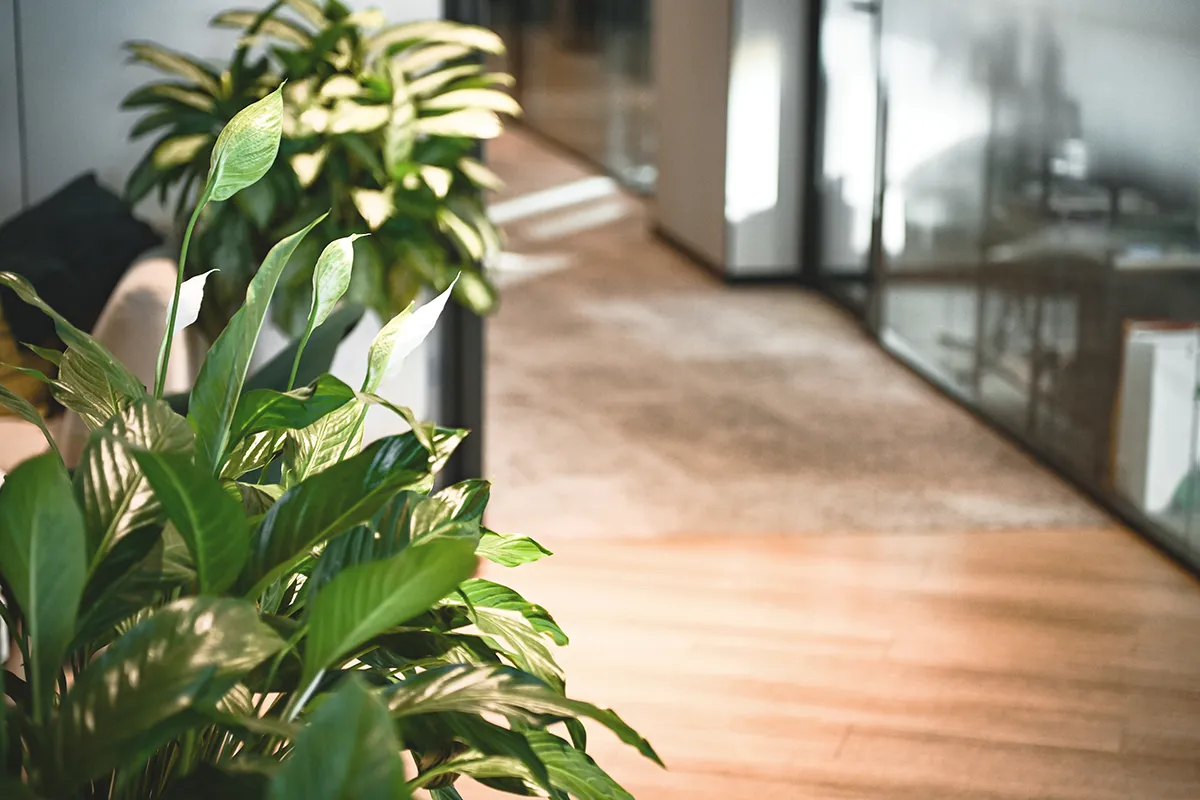
In the context of interior design and facility management, it involves strategically incorporating plants into living and working spaces to tap into our primal connection with the natural world. Whether it is a lush garden, a potted plant on a windowsill, or a curated indoor jungle, surrounding yourself with greenery can create a sense of calm, reduce stress, and improve overall mood.
The History of Ecotherapy
While the term might feel modern, the history of ecotherapy is deeply rooted in human existence. Human beings have an innate connection with nature, a concept known as “biophilia”. This term refers to our inherent affinity for the natural world.
From the hanging gardens of ancient civilizations to the monastic healing gardens of the Middle Ages, humans have long understood that exposure to natural environments has a positive impact on mental health. Today, this ancient wisdom is being revitalized in modern architecture. By incorporating plants, we allow occupants to tap into this primal connection, bridging the gap between sterile modern structures and the soothing rhythms of nature.
Natural Therapy for the Modern Mind
The resurgence of this natural therapy is not just a trend; it is a response to a health crisis. As Bill Lyon notes, plants act as a “new Prozac,” offering a non-pharmaceutical approach to mood regulation.
Looking for natural therapy solutions for your building?
Contact Plant Solutions today to schedule a design consultation.
Purifying the Air and Mind: Natural Relief for Anxiety
For businesses that encourage employee engagement, plants offer a unique avenue for mindfulness. Taking care of plants requires attention and responsibility, which can cultivate mindfulness and help shift focus away from negative thoughts or worries.
Engaging in activities like watering, pruning, and repotting provides a mindful experience that encourages individuals to be present in the moment. This mindful connection with nature can help reduce symptoms of depression and anxiety and enhance overall well-being.
Encouraging staff to participate in the care of office greenery, or hosting workshops provided by Plant Solutions, can be a low-cost, high-impact wellness initiative.
Boosting Business: Productivity and Creativity
For business owners, the ROI of nature therapy is found in performance metrics. Plants have been shown to have a positive impact on productivity and creativity.
Research indicates that having plants in workspaces can increase productivity by up to 15%. Furthermore, exposure to natural elements can enhance creative thinking and problem-solving abilities. If you are looking for a boost in your team’s work or creative endeavors, adding a few green companions to your environment might just do the trick.
Ready to boost your workforce productivity by 15%?
Purchase a custom plant package from Plant Solutions today.

Community-Building and Social Connection
The benefits of ecotherapy extend beyond the individual to the organizational culture. The popularity of plant-related communities and events has skyrocketed in recent years.
Gatherings centered around plants provide opportunities to learn but also foster social connections and a sense of belonging. Sharing experiences, tips, and even plant cuttings can create a support network that contributes to improved mental well-being.
Implementing Ecotherapy in Design
For architectural designers and building managers, here is how you can facilitate these connections:
- Create Common Green Zones: Designate areas specifically for high-density planting where people can congregate.
- Host Plant Events: utilize the space for plant swaps or urban gardening clubs.
- Select the Right Flora: Choose plants that thrive indoors to ensure the “green therapy” remains vibrant and effective.
Embrace the Green Revolution
Plants are much more than mere decorations or oxygen providers. They have a profound impact on our mental health and well-being.
Incorporating plants into our living spaces can create a soothing environment, improve air quality, promote mindfulness, boost productivity, enhance creativity, and foster social connections. Whether you are a seasoned plant lover or new to the world of ecotherapy, taking the time to surround yourself and your tenants with plants can be a simple yet transformative step toward a happier and healthier life.
Why not embrace the green revolution and let plants be your natural Prozac?. Your mind, body, and business will thank you for it.
(Note: While plants can have a positive impact on mental health, it’s important to remember that they are not a substitute for professional help. If you are experiencing severe mental health issues, it’s crucial to seek guidance from a qualified healthcare professional.)
Transform your space with the power of nature.
Contact Plant Solutions today to discuss our professional ecotherapy design and maintenance services.