
In today’s fast-paced world, we often spend our lives connected to technology in sterile indoor shelters built for efficiency and functionality and disconnected from the natural world. What are the effects, and how can design and Horticultural Therapy work together to transform our urban structures beyond utilitarianism?
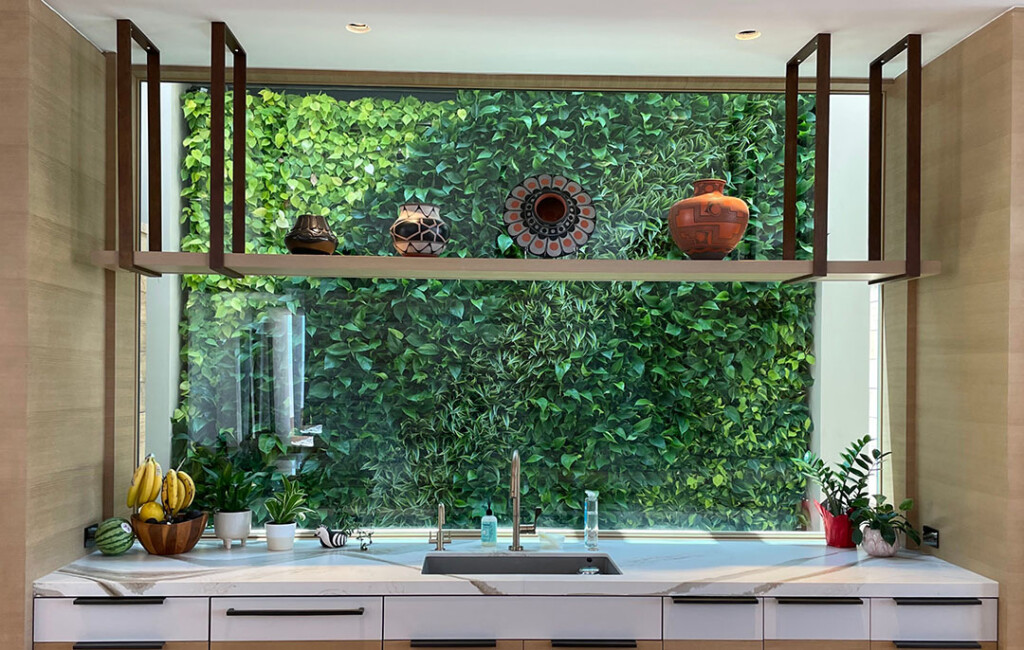
The Power of Reframing our vision of Home and Office Spaces:
Studies on the effects of removing animals from nature date back to the early 17th Century. They discovered that creatures withdrawn from the resources and stimuli in their natural environment experience a range of negative impacts, including stress, anxiety, behavioral changes, and compromised physical health. To mitigate these adverse effects, wildlife caretakers embraced the concepts found in Horticultural Therapy to create “habitats” that closely mimic the animals’ natural surroundings to give them the ability to interact with nature. Why would we not do the same for ourselves? Recent research has brought awareness that, like animals, we too have these same destructive mental and physical responses when deprived of a connection to nature. The demands of our urban lifestyle have us spending 90% of our time in the convenience and protection of built spaces. Imagine if we redefined them as “habitats,” focusing on our innate human needs. Does this change the way you visualize your home and office? Would it change your approach to the way you design these spaces? Transform Office and Home Spaces into Natural Havens with daily access to the benefits of Horticultural Therapy Horticultural Therapy is an evidence-based practice that uses gardening and other plant-based activities to improve psychological, cognitive, and physical health. By incorporating elements of nature into our daily lives, we can create a more nurturing and supportive environment for our minds and bodies. Transforming our work and living spaces into natural habitats can be achieved through various methods with Plant Solutions’ help.
Are you ready to transform your indoor space into a therapeutic oasis?
Join us in embracing the healing power of nature and integrating it into your daily life. Whether you have a large area to dedicate to a garden room or simply want to add some potted plants to your space, take the first step towards enhancing your well-being today.
Building Horticultural Therapy into Structural Design with Plants:
To truly integrate Horticultural Therapy into our design, we should look for ways to incorporate plants into the structural design of our homes and offices. Consider adding a living wall, hanging planters, or green roofs. A living wall is an innovative way to create a statement while providing functional space. Hanging planters are a trendy solution for small spaces, allowing for an impactful number of indoor plants without impeding needed floor space. Green roofs can provide insulation, improve air quality, and promote biodiversity.
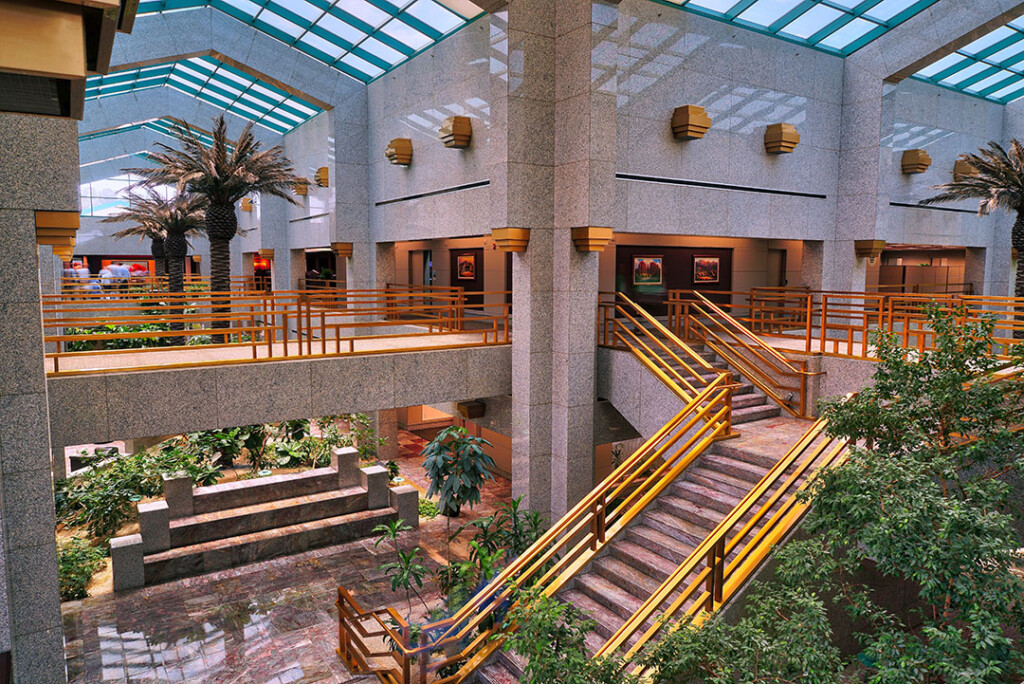
Designing Human Habitats that Foster the Benefits of Horticultural Therapy:
An indoor garden can facilitate Horticulture Therapy activities such as planting and caring for plants, tree gazing, and nature walks. These therapeutic activities can help combat and prevent emotional, physical, and mental health issues. Consider adding a garden room in large spaces to enjoy private, indoor green space. Smaller potted plants can provide many of the same benefits in space-restricted areas. Plants will not only create a calm, green retreat but have an additional social, nutritional, and environmental value. Fusing elements of Horticultural Therapy into our designs is necessary for the well-being of our clients as it provides not only aesthetic value but also a much-needed physiological and emotional connection to nature. Integrating nature into our indoor spaces is not an alternative to spending time outside but a way to expand the healing power of Horticultural Therapy into the areas of life we spend the most time in. This shift in perspective improves our mental health and encourages us to cultivate a more mindful lifestyle that will enable our best natural selves. So, let’s start reframing our vision today, partner with the nature experts at Plant Solutions, and transform our homes and offices into natural havens that nurture our minds, bodies, and souls.
Contact us now to start your journey towards creating a serene and rejuvenating indoor garden space.
Let’s partner together to cultivate a mindful lifestyle that nurtures your mind, body, and soul. Together, let’s embrace the transformative potential of horticultural therapy and bring the beauty of nature indoors.