
Indoor plant walls are trending. Also known as green walls or living walls, you’re likely seeing much more of them in retail spaces, corporate lobbies, and modern office environments. Here in Phoenix, we designed plant walls for local coffee shop Provision and Picazzo’s, a favorite pizza place. It’s a stunning aesthetic business owners are incorporating more and more, but these breathtaking installations aren’t exactly new.
In fact, the urge to bring nature into our built environments is deeply rooted in the human experience. As executives and HR professionals look for innovative ways to enhance employee well-being and create inviting spaces, understanding the rich history of plant walls offers incredible insight into why this green aesthetic is so powerful today.
Ready to transform your corporate space? Inquire Plant Solutions’ custom design and installation services today to bring this aesthetic to your office.
Plant walls in ancient history
The history of plant walls begins long before modern architecture. The very first man-made green walls are thought to be the hanging gardens of ancient Babylon – beautiful, lush spaces full of greenery and flowers that cascaded down immense stepped terraces. While historians and archaeologists still debate their exact location and structure, the cultural impact of these gardens remains undisputed.
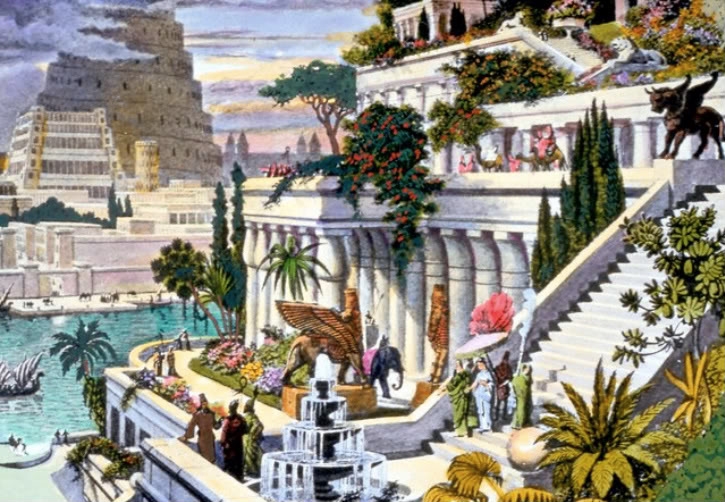
According to historical records and ancient engineering texts, it was the first building with a built-in irrigation system, functioning exactly like today’s modern plant wall. Drawing water upward using a chain pump system, the engineers of antiquity managed to sustain a vibrant ecosystem in a harsh, arid climate. And according to legend, the hanging gardens were designed to comfort the wife of King Nebuchadnezzar, Amytis of Media, who deeply missed the green hills and valleys of her homeland.
Similarly, through biophilic principles—the concept that humans possess an innate tendency to seek connections with nature and other forms of life—plant walls help boost mood and productivity. The ancients understood this intuitively. By surrounding themselves with foliage, they created spaces of refuge and comfort. Today’s HR professionals are leveraging this exact same psychological principle, using a lush indoor plant wall to reduce stress, lower absenteeism, and foster a more creative workplace.
The evolution of the indoor plant wall
While Babylon set the stage, the transition from exterior landscaping to the true indoor plant wall was a gradual process spanning centuries. During the height of the Roman Empire, the integration of nature into domestic and public architecture was highly prized. Romans frequently used climbing vines, such as ivy and climbing roses, trained on trellises to create cooling, shaded walls in their courtyard gardens (peristyles).
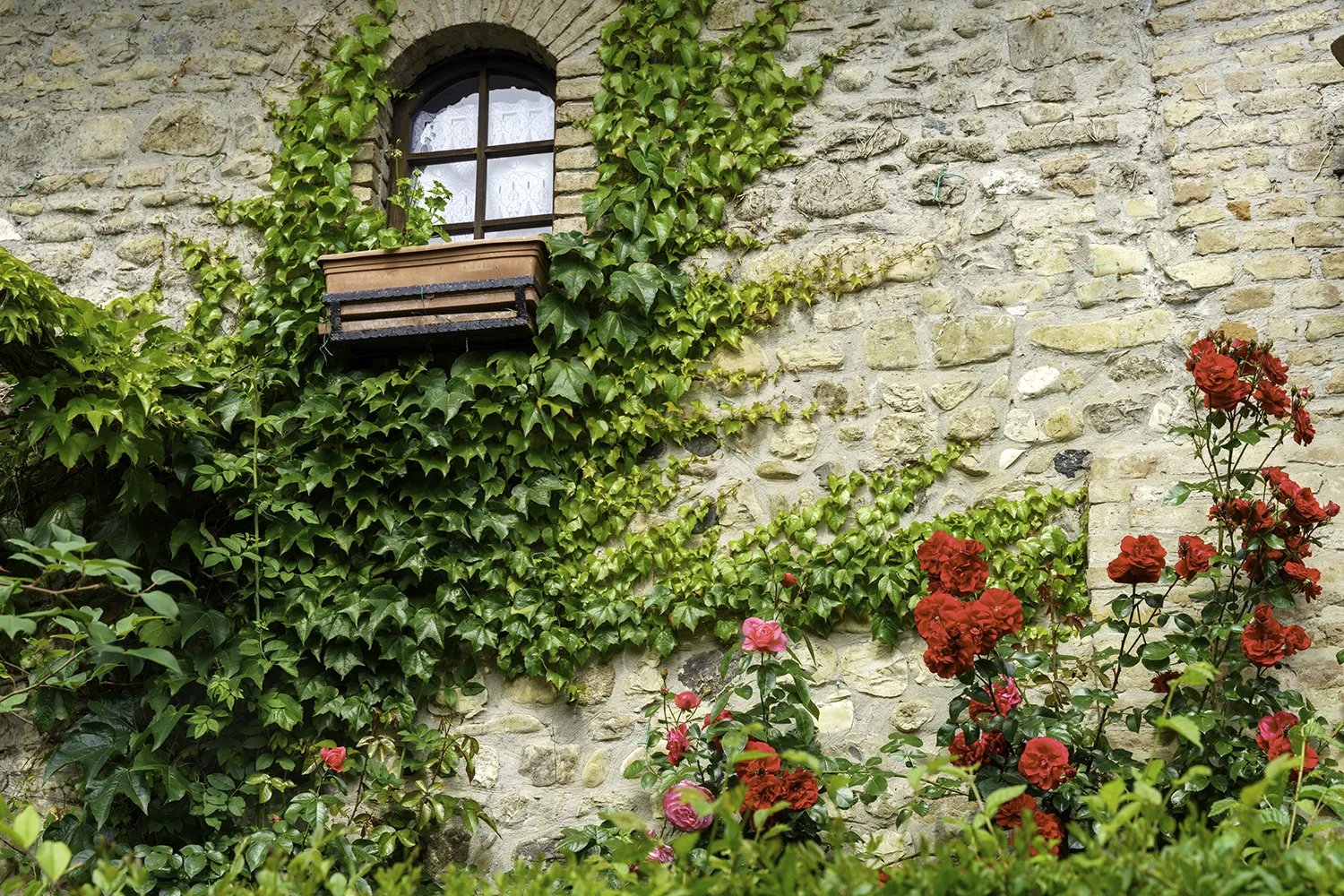
Fast forward to the Victorian era in the 19th century, and the obsession with botany led to the creation of elaborate glass conservatories and indoor ferneries. During this time, the wealthy began exploring the earliest iterations of the indoor plant wall, using specialized shelving and tiered wireframe structures to stack plants vertically, maximizing space in their highly humid, glass-enclosed rooms.
This period marked a crucial shift: the realization that plants did not just have to grow from the ground up, but could be suspended and displayed vertically to create a living tapestry. It laid the psychological and aesthetic groundwork for the modern living wall, proving that interior spaces could support complex, vertical horticulture.
Want to learn more about how biophilic design can impact your team? Contact us for more information on our corporate installations.
Plant walls in modern history
The formal story of green walls continued in 1937 with Landscape Architecture professor Stanley Hart White, the brother of famous children’s book author E.B. White (known for the beloved classics of Charlotte’s Web and Stuart Little). Teaching at the University of Illinois at Urbana-Champaign, Professor White took out a patent on his “botanical bricks,” or plant units that could be built up to any height.
White’s invention was revolutionary because it recognized the need for a modular system. His patent described a structural framework that could hold soil and vegetation in a vertical position, effectively inventing the modern architectural plant wall. However, his visionary idea was somewhat ahead of its time, and the necessary technology for lightweight substrates and automated indoor irrigation had not yet caught up with his imagination.
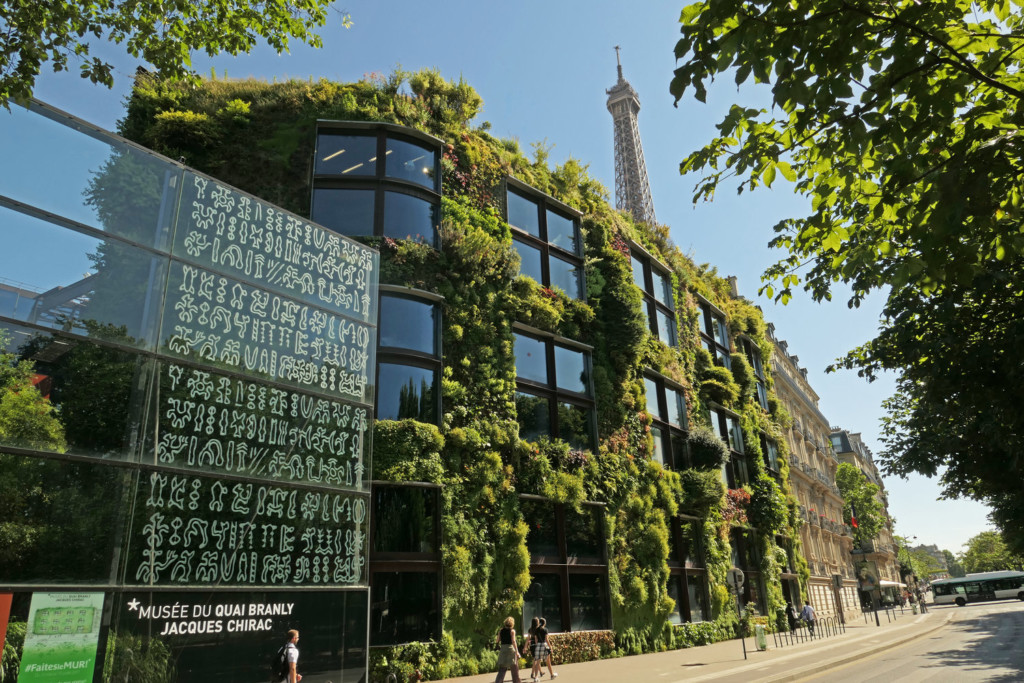
Almost 50 years later, Patrick Blanc, a French botanist, installed a vertical garden at the Paris Museum of Science and Industry in 1988, bringing the concept to the broader public. Blanc’s genius was abandoning heavy soil altogether. Observing plants growing on sheer cliff faces and waterfall rocks in tropical rainforests, he developed a hydroponic system using synthetic felt. This allowed roots to grow directly into a lightweight, moisture-retaining medium, dramatically reducing the weight of the installation and making the large-scale indoor plant wall a safe, viable reality for commercial architecture.
The science of the green aesthetic: Why business owners are investing
For today’s Business Owners and Executives, investing in an indoor plant wall is no longer just about decor; it is a strategic business decision backed by science. The history of plant walls is fascinating, but the current data on workplace biophilia is what drives the modern market.
Air Quality and Health
Modern office buildings are often tightly sealed to maximize HVAC efficiency, which can lead to a buildup of volatile organic compounds (VOCs) emitted by carpets, paint, and office equipment. A robust indoor plant wall acts as a natural biofilter. The plants, along with the microorganisms in their root systems, actively pull toxins from the air, improving overall indoor air quality.
Cognitive Function and Productivity
Research from institutions like the Harvard T.H. Chan School of Public Health has shown that green certified offices with enhanced ventilation and biophilic elements significantly boost cognitive function scores among employees. When employees have a visual connection to nature—such as working adjacent to a thriving indoor plant wall—they experience improved concentration, faster recovery from mental fatigue, and a quantifiable increase in productivity.
Talent Retention and Brand Image
For HR Professionals, the workplace environment is a critical tool for recruiting and retaining top talent. A drab, gray cubicle farm is uninspiring. In contrast, an office that features a breathtaking green wall signals to prospective hires that the company prioritizes wellness, sustainability, and a high quality of life. In retail and hospitality spaces, such as our projects with Provision and Picazzo’s, plant walls increase customer “dwell time,” encouraging patrons to stay longer and spend more while elevating the brand’s aesthetic prestige.
Where we stand today
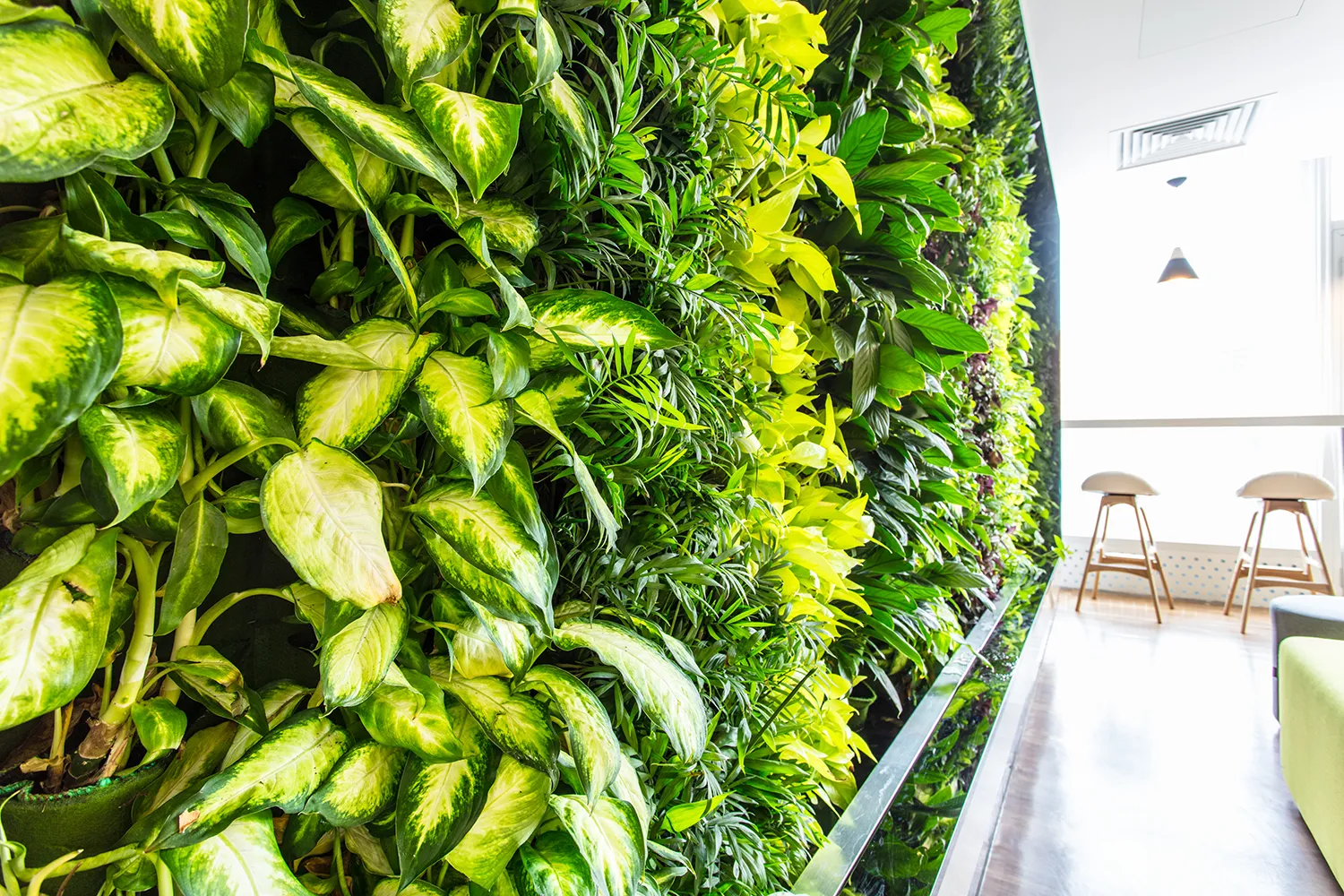
Plant Solutions continues to carry on the incredible story of plant walls, but with our own unique touch. Since 1981 we’ve tested and installed a wide variety of systems and continue to test and incorporate new materials not just for our plant walls but for all our offerings. Our decades of hands-on experience mean we understand exactly how a living wall interacts with a commercial building’s microclimate.
We’re proud to be members of Green Roofs for Healthy Cities, which means we actively help drive product development and new installation techniques within the industry. Founder Joe Zazzera was even on the committee that helped develop their first Green Wall program back in 2010. This level of expertise is critical because a successful indoor plant wall is a living, breathing ecosystem that requires precise engineering.
We take plant wall design and installation seriously. Each plant wall is customized and is touched by designers, architects, and the owners to develop the right drainage, irrigation, and lighting. We don’t just sell you a product; we engineer a long-term biophilic solution. Once the wall is created, we also set up a robust plan to make sure it is meticulously maintained, either by us or you. We like to say that keeping plants looking good all the time is part art, part science, and we have an innate talent and passion for it.
Experience the Plant Solutions difference for yourself. Contact us for our comprehensive plant wall design and installation services to elevate your space.
Our Plant Wall Installation Process
Are you thinking of adding a living green wall to your space? We can help. Building an indoor plant wall requires careful planning and a deep understanding of horticulture and indoor environmental factors. Here is what we consider to be the building blocks of any successful plant wall. We will partner with you every step of the way to nail down the specifics and make your visionary idea a reality.
1. Size of Install and Spatial Planning
What is the size of the plant wall? Are you covering an entire sweeping corporate lobby space, or creating more of a focused, framed decoration in a conference room? The scale of the project dictates the structural requirements. Massive walls may require reinforced backing and specialized lifts for installation, whereas smaller, framed “living art” pieces can often be integrated into existing architecture with minimal disruption.
2. Type of Install: Integrated vs. Freestanding
Plant walls can hang directly on a wall like a piece of living art, or they can stand on their own as freestanding room dividers. It all depends on what you want it to look like in the end, and what functional purpose it serves. For HR managers looking to break up an open-concept office without erecting drywall, freestanding, dual-sided indoor plant walls are an incredible acoustic and visual barrier. There will be a significant difference in construction and engineering between these two options, so it’s best to decide early in the consultation process before we begin.
3. Water Needs and Irrigation Systems
What kind of irrigation system will you use? Your plant wall is a complex living system and needs to be watered precisely. Over-watering can lead to root rot and structural damage, while under-watering will quickly ruin the green aesthetic.
The two primary types of irrigation systems for plant walls are a direct irrigation system or a recirculating irrigation system:
- Direct System: The direct system is hooked up to an external water source like the city water lines, often tied directly into your building’s plumbing. It delivers water on a timer and requires a dedicated drain to handle the runoff. This is often the best choice for massive installations.
- Recirculating System: A recirculating irrigation system has an irrigation tank (reservoir) hidden at the base, and a dedicated pump. The pump sends water through the top of the plant wall, allowing it to trickle down through the root systems, with excess water falling back into the irrigation tank to start the process all over again.
Which system works best for your specific situation? Our team will evaluate your building’s infrastructure to make the right recommendation.
4. Plant Choice and Lighting Design
What types of plants will be in your green wall? For this crucial step, we will need to talk to you about the environment your plant wall will be located in. Our expert horticulturalists will pick the plants that will thrive best in your specific indoor environment. They will consider factors such as:
- Light Levels: Does the space receive ample natural sunlight, or will we need to install specialized LED grow lights to ensure the indoor plant wall thrives?
- Temperature and Humidity: HVAC systems can create drafty or dry zones.
- Space to Grow and Traffic Flow: We ensure the selected plants won’t overgrow into high-traffic walkways.
Typical indoor plant wall favorites include hardy, air-purifying species like Epipremnum (Pothos), various Philodendron varieties, Aglaonema, and diverse ferns. By mixing textures, colors, and growth habits, we create a visually dynamic tapestry that stands the test of time.
Ongoing maintenance and protecting your investment
A critical chapter in the history of plant walls is learning from the failures of the past. Early green walls often failed because they lacked proper, specialized maintenance. An indoor plant wall is not a static piece of furniture; it is a dynamic, growing entity.
Plant Solutions offers comprehensive horticultural maintenance packages. Our trained technicians visit regularly to perform vital tasks:
- Pruning and Trimming: Keeping the design looking intentional and preventing aggressive plant species from shading out more delicate ones.
- Pest Management: Utilizing safe, integrated pest management techniques to ensure the foliage remains healthy and pristine.
- Irrigation Checks: Monitoring pumps, cleaning filters, and adjusting watering schedules based on seasonal indoor humidity changes.
- Nutrient Delivery: Adding the precise balance of liquid fertilizers to the water supply to keep colors vibrant.
Don’t leave the health of your installation to chance. Contact us to learn more about our ongoing maintenance packages.
The future of the green aesthetic
As we look ahead, the evolution of the indoor plant wall is far from over. Driven by an increasing focus on sustainable building practices and LEED (Leadership in Energy and Environmental Design) certifications, the integration of technology and nature is deepening. The future of the green aesthetic is not just about making spaces look beautiful; it is about creating deeply restorative, ecologically responsible environments where humans can thrive.
Living plant walls, one of many incredibly effective Biophilic design elements, can be a transformative addition to any business. They connect us to our ancient past while providing cutting-edge benefits for our modern workday.
At Plant Solutions, we stand ready to bring your design to life.