A Guide to the Best Indoor Plants for Arizona

13 May | Biophilic Design, Design & Installation

Best indoor plants for Arizona

Finding the best indoor plants for Arizona is the perfect way to bring the outdoors in, especially during the peak summer months. Within the last few years, the world has seen a fair number of creative ideas for bringing more greenery indoors – specifically during the summer months when people don’t want to spend a lot of time outside. Plant Solutions’ services create a way to incorporate plants indoors for a no muss, no fuss solution for corporate and residential customers! Here are a few ways how:

Our top low-maintenance indoor plants for Arizona

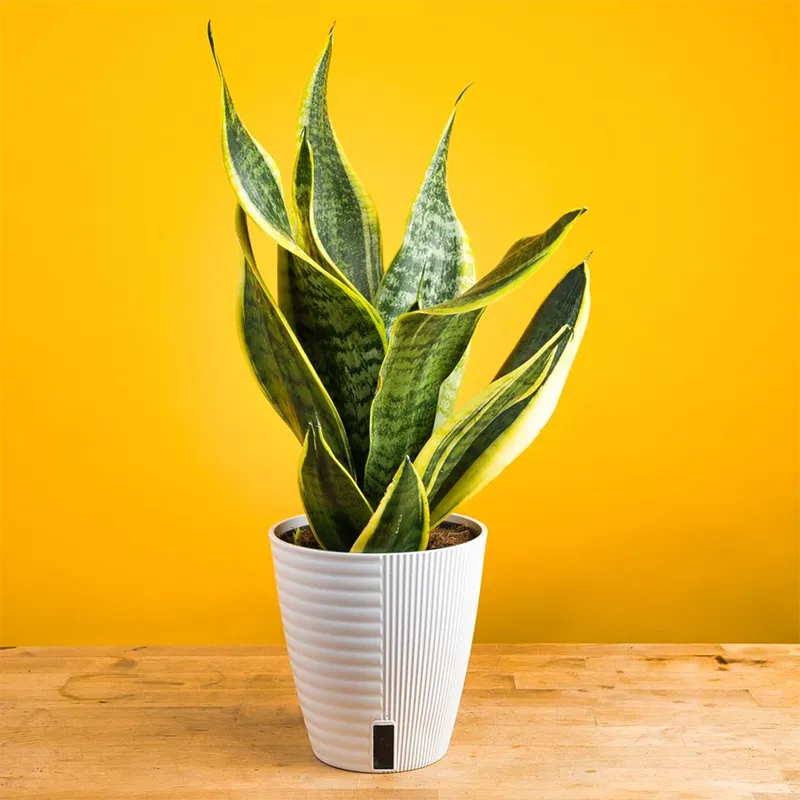
An easy way to upgrade your space and connect with nature is to bring plants into your home or workplace. With indoor plants comes indoor maintenance; we want these green goddesses to flourish in their given elements. A few great indoor, low-maintenance options include Dracaena Gold Star, Ponytail Palm, Snake Plant and Pothos. Each one of these lively friends has the capability to thrive in low light conditions, requires little watering and gives the room a tropical feel through large, lush leaves and bright green color.
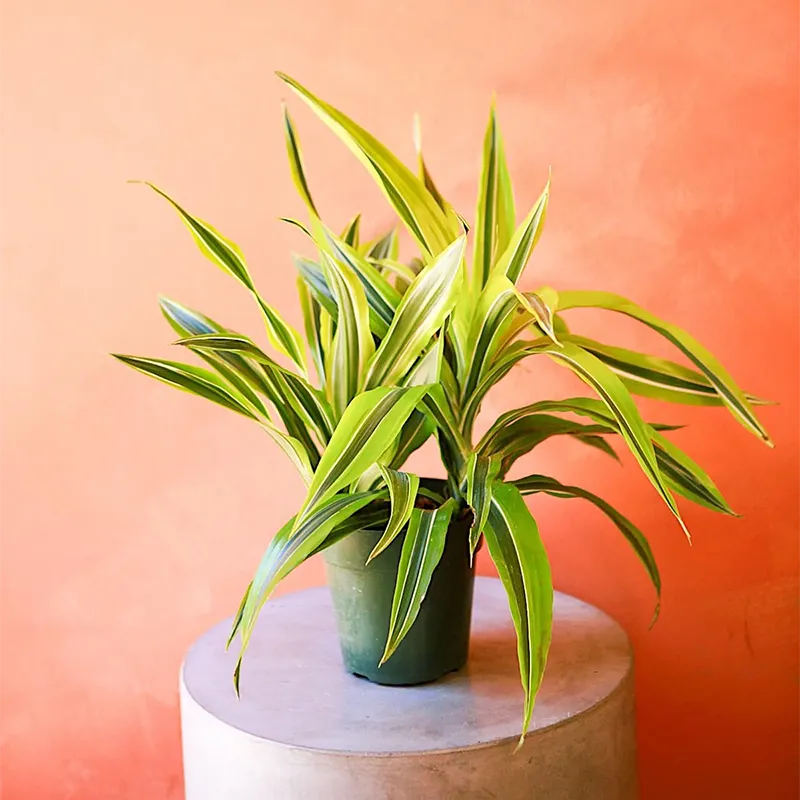
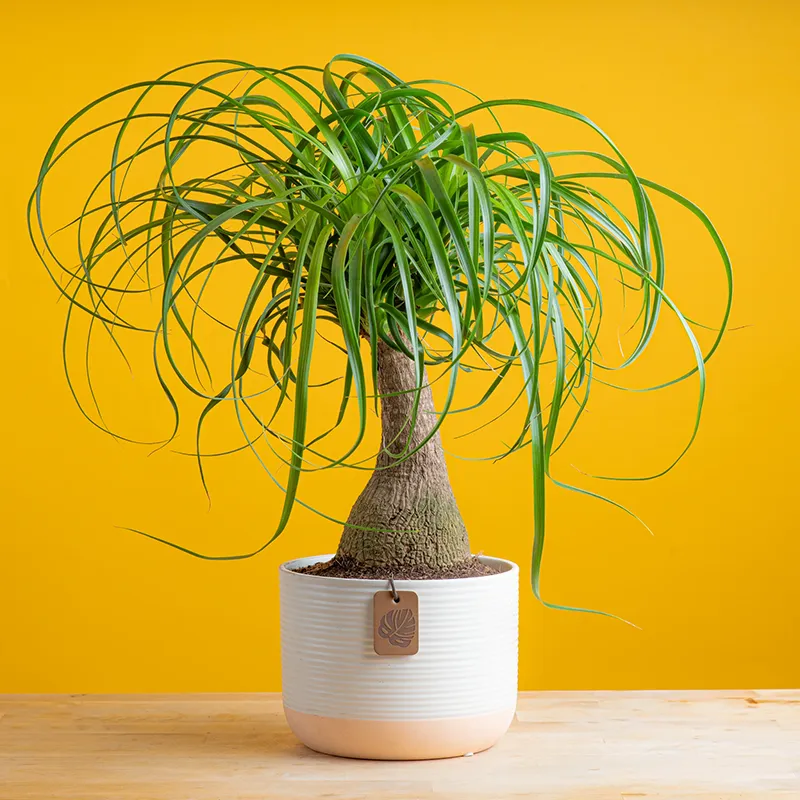
Staged potted Dracaena Gold StarStaged potted Ponytail PalmStaged potted Snake PlantStaged potted Pothos
Staged photos of low-maintenance indoor plants.

Flowering plants: The best colorful additions for Arizona indoors

Flowers complement any space with radiant colors pleasing to the eye while boosting creativity, reducing stress, and purifying the air. Flowering house plants will add fun and freshness to your commercial or residential space, on top of being easy to maintain. Try adding Kalanchoe into your indoor space for durability and a pop of pretty pink color. The Flowering Maple is a great houseplant that blooms similarly in shape to hibiscus flowers and is striking enough to create a lovely spectacle indoors, while also being low maintenance.

Photo of Kalanchoe.Photo of Flowering Maple.
Close-up photos of Kalanchoe and Flowering Maple flowers.

Natural materials are a must

Indoor plants aren’t the only things to consider to make your indoor space feel more natural, surround yourself with materials made from the earth. Common materials to consider using could include wood, bamboo, linen, cork, and ceramic, which all assist in shaping biophilic design by using neutral colors and textures. Try experimenting with these materials in your home or workspace in the form of pots, frames, coffee tables or artwork to increase your connection with nature indoors.

Biophilic lighting makes a difference

Lighting sets the mood of any room. It has the ability to intensify one’s emotions and transform any environment. Being outdoors, we’re surrounded by sunshine and fresh air, and this should ideally be translated into your home or office space, as well. This is best done with large windows that allow for ample natural light, but when this isn’t always possible, the design should opt for a lighting system that uses blue and white tones in the middle of the day, and amber tones early in the morning and late at night. These tones should mimic sunlight, moonlight or even the twinkling of stars!

Plant Solutions is your leader in biophilic interior living design.
If you’re considering adding a touch of nature to your environment, we will install, maintain and keep your indoor plants looking good all the time. It’s part art, part science, and we have a flair for it.

Contact Us Today

Recent Posts

Ultimate guide to pothos

Pothos (Epipremnum aureum) is one of the most widely used foliage plants in commercial interiorscaping — and one of the most requested species in plant rental programs. It tolerates the conditions that trip up other plants: low light, HVAC-dried air, irregular...

What is a horticulturist?

Professional horticulturists combine hands-on plant science knowledge with a genuine passion for cultivating green spaces. When a Plant Solutions horticulturist walks into your office, it might look like a routine visit. They check the plants, adjust the soil, trim...

5 best low light plants for the office

Not every office is flooded with natural light. Windowless conference rooms, interior corridors, north-facing suites — these are real conditions that most plant guides ignore entirely. The good news is that some of the most striking and resilient low light plants...

Can artificial plants look real? What to know before you buy

For a long time, artificial plants had a reputation problem. The stiff plastic leaves, the too-perfect symmetry, the slightly wrong shade of green — they were easy to spot and easy to dismiss. That era is over. Today's realistic artificial plants are a different...

Why your office plants keep dying in Phoenix

If you've ever watched a perfectly healthy plant decline within weeks of bringing it into your office, you're not alone. Indoor plants fail in commercial spaces all the time — and the reasons are rarely what people expect. Most assume their plants need more water when...

Gen Z and plants: younger workers are redefining workplace wellness

Something significant has shifted in what employees expect from the places they work. It isn't just about salary anymore, or even flexibility. A growing body of research shows that younger workers — Millennials and Gen Z, who together will make up roughly 74 percent...

Interior landscaping — does my business need it?

If you've ever walked into a hotel lobby filled with towering palms, a corporate office lined with lush plant walls, or a restaurant where greenery seems to grow from every corner, you've experienced interior landscaping in action. But what exactly is interior...

Can indoor plants heal anxiety and depression in college students?

A 2025 honors thesis from the University of South Dakota examined a timely question: Can indoor plants meaningfully reduce anxiety and depression in college students? The paper, titled Let’s Grow: Investigating the Relationship Between Houseplants and Mental Health in...

Is there such a thing as too many indoor plants?

Simple example of sparse, medium, and high plant density. Biophilic design is often discussed in terms of whether plants are present in a space, but less attention is paid to how many plants are used. A growing body of research suggests that plant presence alone is...

Categories

Get Social